Why Rubber Roofing Makes Sense for Colorado Mountain Buildings

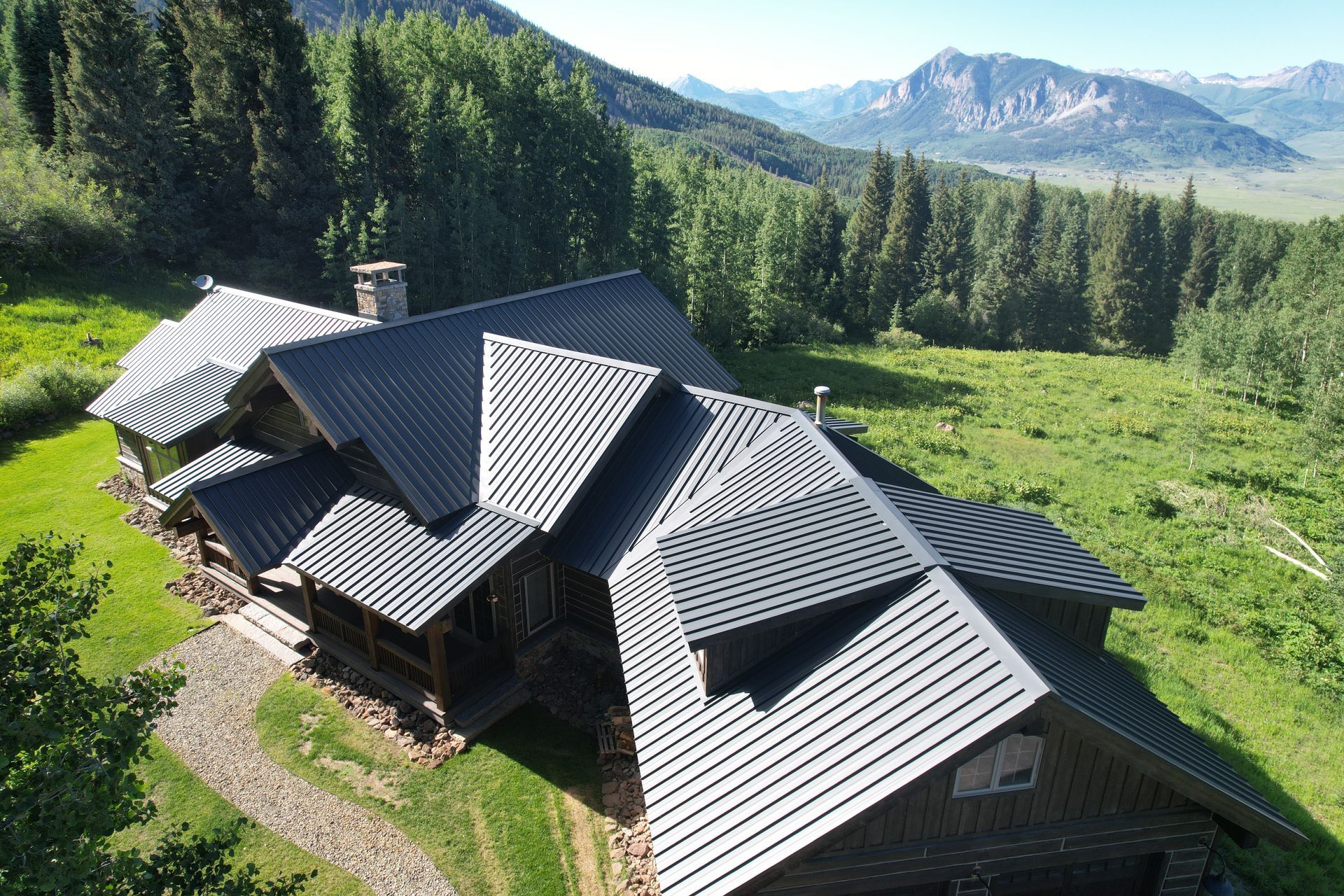
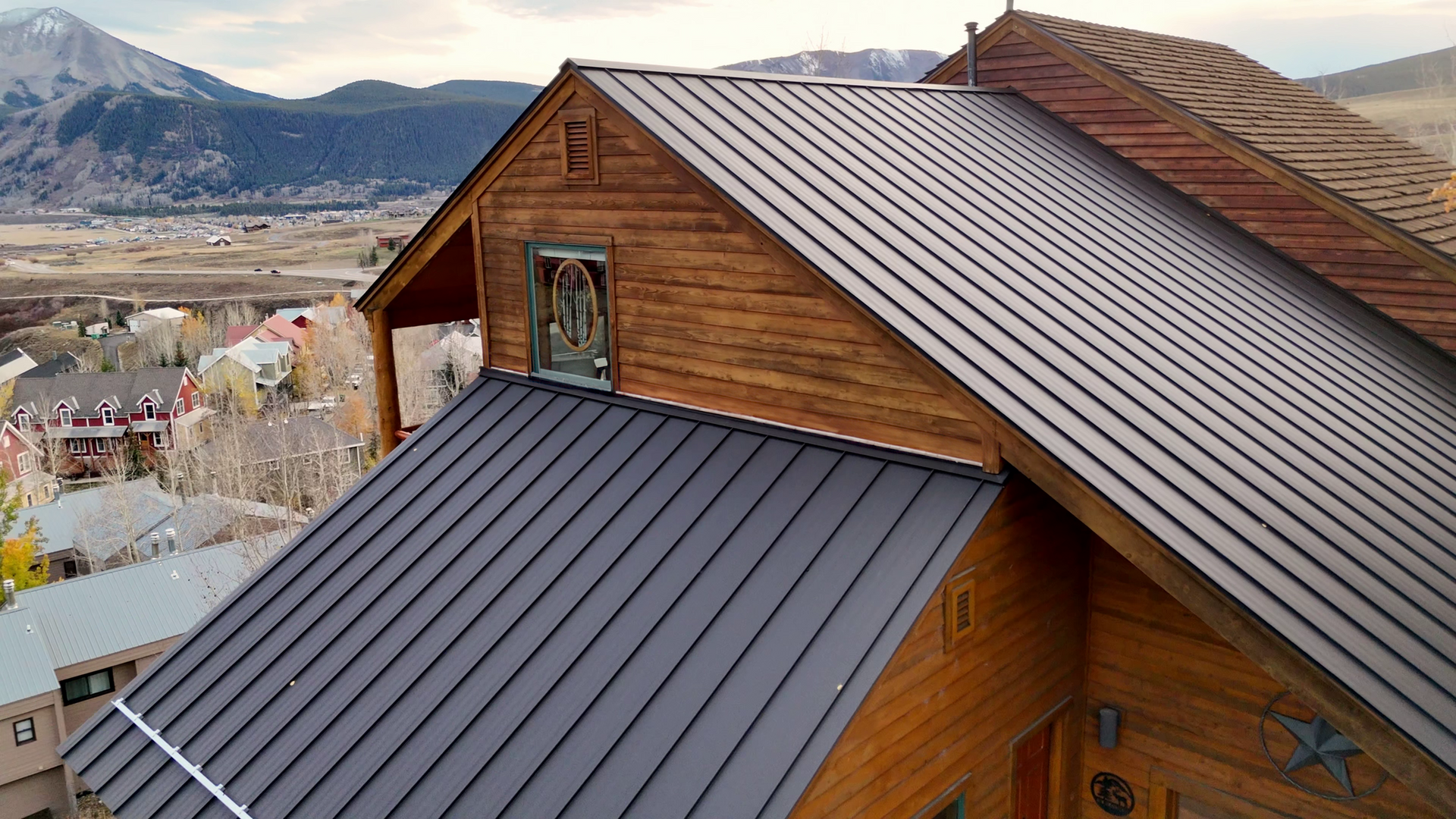
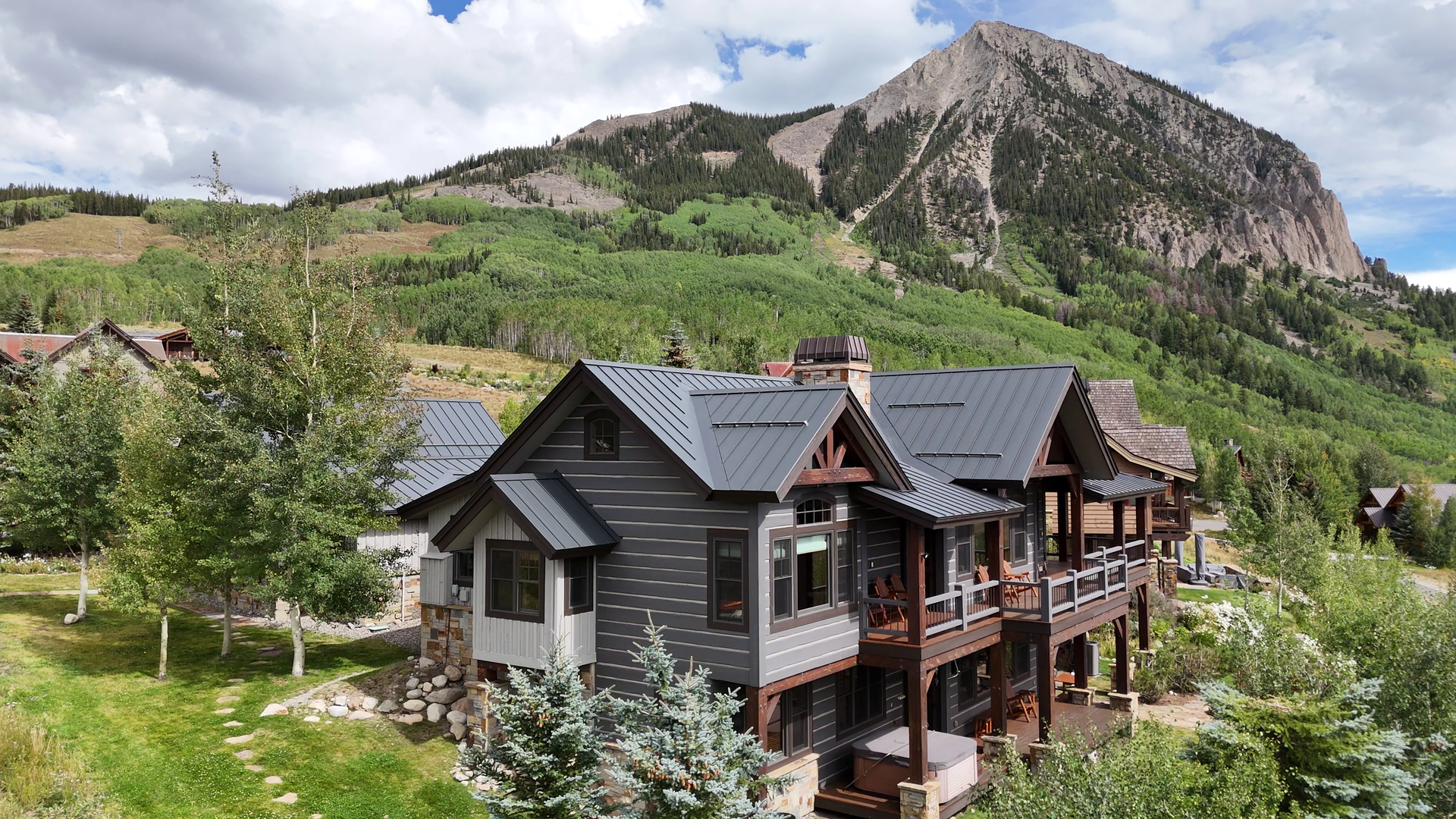
When most people think about roofing in Colorado, they picture standing seam metal roofs stretching across mountain homes and ski communities.
And for many steep-slope roofs, metal is an excellent solution.
But not every building is designed the same way. For flat and low-slope structures, a different type of roofing system is often the better choice.
That's where membrane roofing systems, commonly referred to as "rubber roofs," come into play.
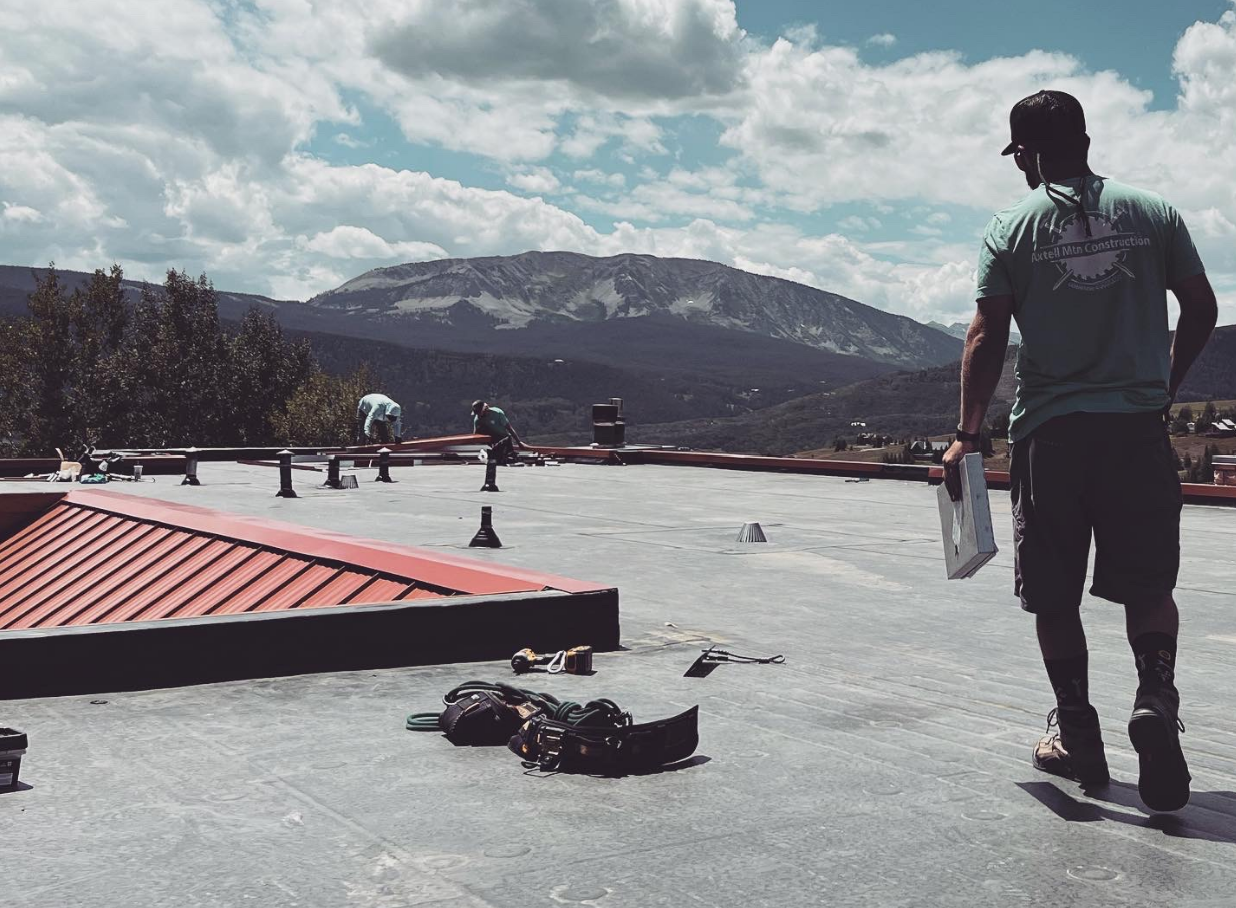
A recent roofing project on Mount Crested Butte highlights why many commercial buildings, condominiums, and multi-family properties rely on membrane roofing systems to withstand Colorado's demanding mountain environment.
Not Every Roof Is Designed for Metal
One of the most common misconceptions we hear is that metal roofing is the best solution for every building.
The reality is that roof slope plays a major role in determining the right roofing system.
Steep-slope roofs are designed to shed water quickly. Flat and low-slope roofs require a continuous waterproof membrane capable of managing standing water, snow accumulation, and seasonal freeze-thaw cycles.
For these applications, membrane roofing systems are often the preferred solution.
What Is a Rubber Roof?
The term "rubber roof" is commonly used to describe membrane roofing systems installed on flat and low-slope buildings.
Modern membrane roofing can include materials such as EPDM, PVC, and TPO. While each system has its own advantages, they all share one common goal: creating a durable, watertight barrier across the roof surface.
Unlike shingles or metal panels that rely on overlapping components, membrane roofing creates a continuous protective layer designed to resist moisture intrusion and weather exposure.
For property owners managing condominiums, commercial buildings, or low-slope residential structures, this approach offers reliable long-term protection.
Why Membrane Roofing Performs Well in Colorado's Mountain Climate
Buildings located at high elevation face conditions that can quickly wear down aging roofing systems.
Heavy Snow Loads
Snow can remain on low-slope roofs for extended periods during winter months. A properly installed membrane roofing system helps protect against moisture intrusion while supporting long-term snow exposure.
Freeze-Thaw Cycles
Colorado weather rarely stays consistent. Temperatures often move above and below freezing within the same day.
These repeated freeze-thaw cycles place significant stress on roofing materials. Modern membrane systems are designed to remain flexible and maintain waterproof performance despite constant expansion and contraction.
Intense UV Exposure
At elevations approaching 9,000 feet, ultraviolet exposure is far more intense than at lower elevations.
Quality membrane roofing systems are engineered to withstand prolonged UV exposure and continue performing year after year.
Growing Fire Concerns
Wildfire risk has become an increasingly important consideration throughout mountain communities.
Today's roofing systems are often selected not only for waterproofing performance, but also for their ability to contribute to a fire-resistant building envelope.

A Mount Crested Butte Roofing Upgrade Built for the Next Generation
The three buildings at Ski Jump Condominiums had spent the last 20 to 30 years facing everything Colorado's high country could deliver.
Heavy snow accumulation, ice buildup, freeze-thaw cycles, and intense UV exposure had gradually taken their toll on the existing roofing systems.
After decades of service, it was time for a complete roofing replacement.
This project required far more than simply installing a new roof over the old one.
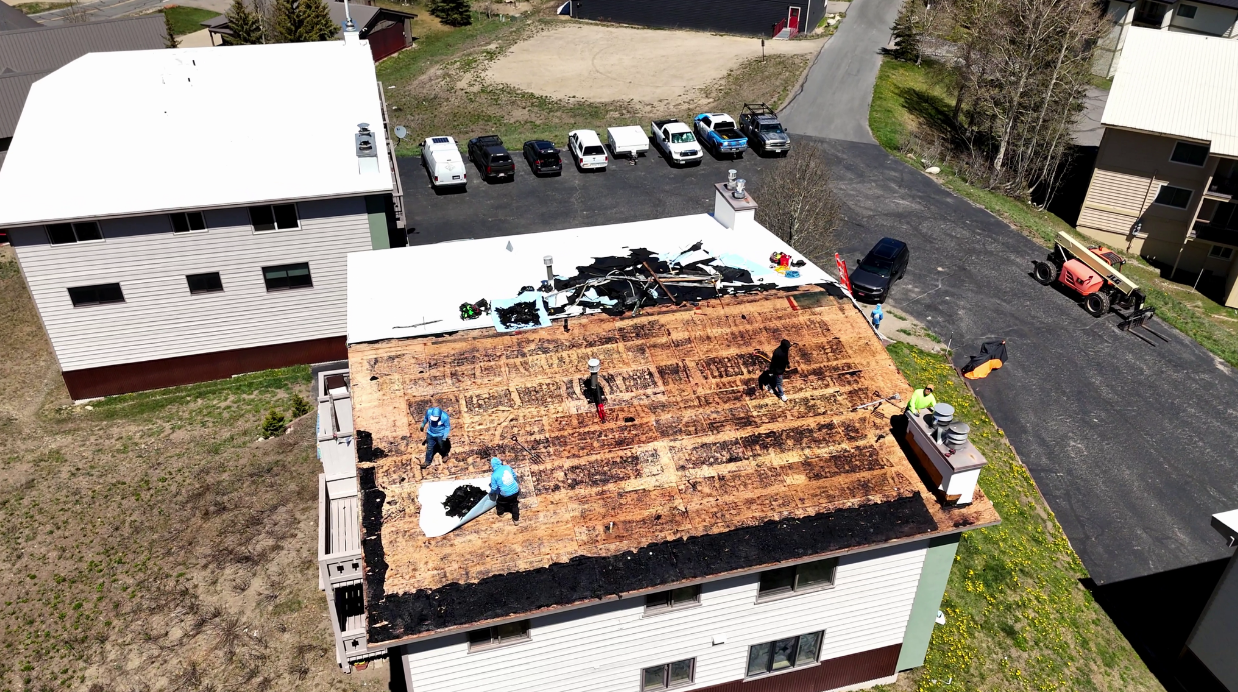
Our team performed a full tear-off of multiple roofing layers, allowing us to inspect the underlying structure and identify areas requiring repair. Damaged decking was repaired and replaced before the new roofing assembly was installed.
Building Fire Resistance Into the Roofing System
One of the most important upgrades involved the installation of DensDeck®, a high-performance cover board featuring a non-combustible gypsum core reinforced with fiberglass mats.
While hidden beneath the finished roof, DensDeck provides several important benefits:
- Additional fire protection
- Enhanced impact resistance
- Improved durability beneath the roofing membrane
- Greater long-term roof system performance
The finished assembly was designed to achieve a Class A fire rating, the highest fire-resistance classification available for roofing systems.
As property owners evaluate future roofing investments, fire performance is becoming just as important as durability and waterproofing.
The Finished Roof: A Class A Fire-Rated TPO System
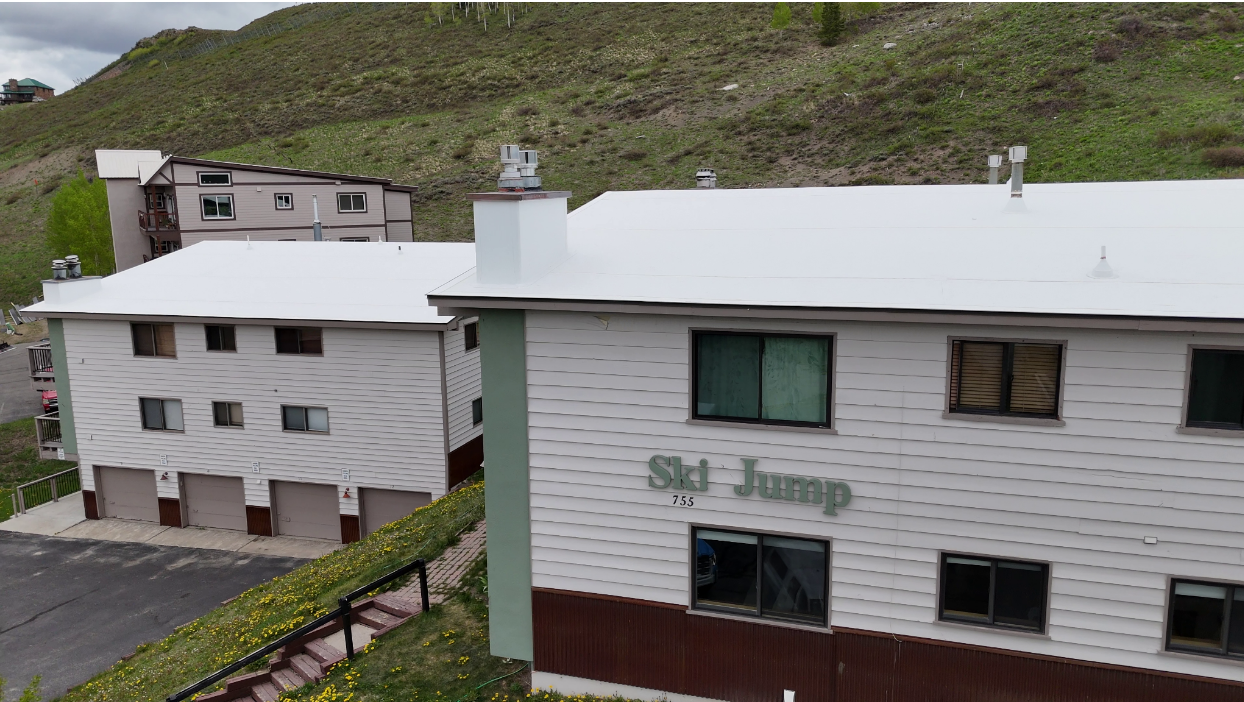
The completed project features a new TPO membrane roofing system specifically designed for Colorado mountain conditions.
TPO has become a popular solution for flat and low-slope roofs because it offers:
- Excellent waterproofing protection
- Strong UV resistance
- Durability during freeze-thaw cycles
- Low maintenance requirements
- Long service life
- Class A fire-rated performance when properly installed
Combined with structural repairs and the DensDeck cover board, the result is a roofing system engineered to withstand the challenges of life at elevation.
Choosing the Right Roof for the Building
Every roofing project starts with understanding the building itself.
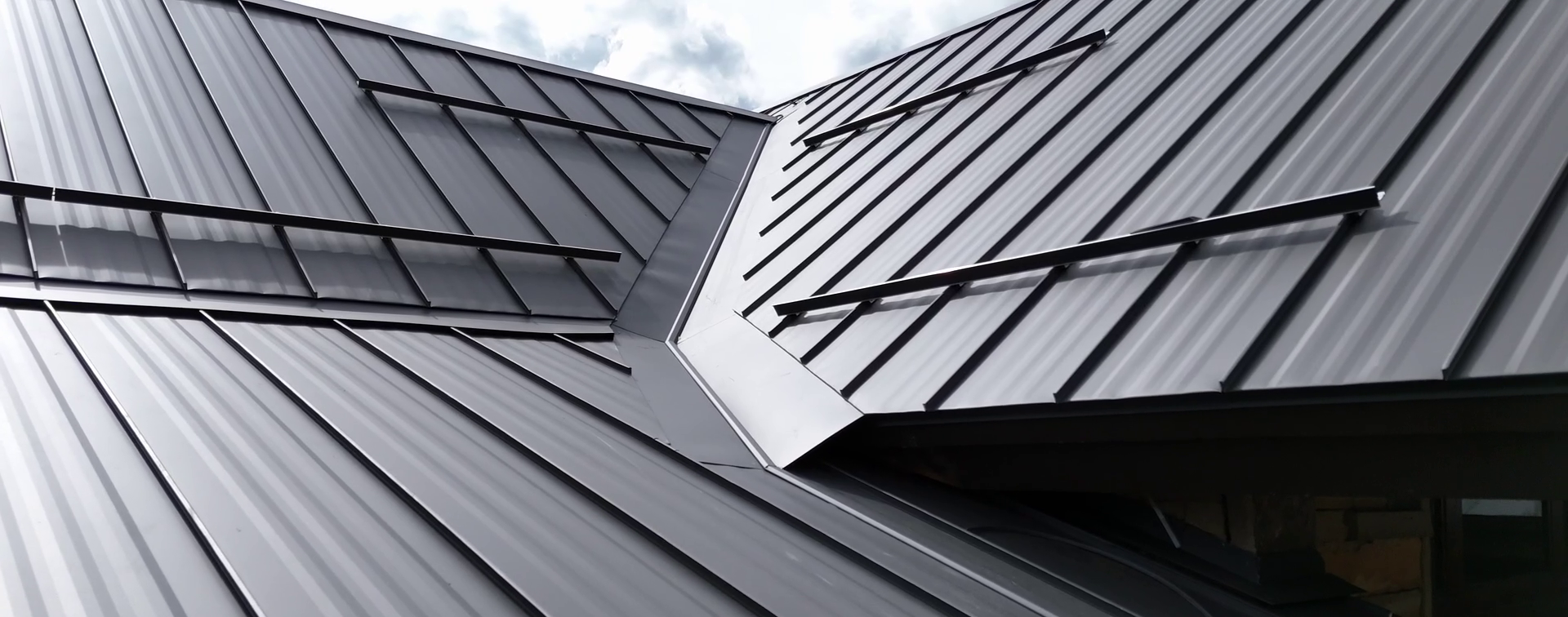
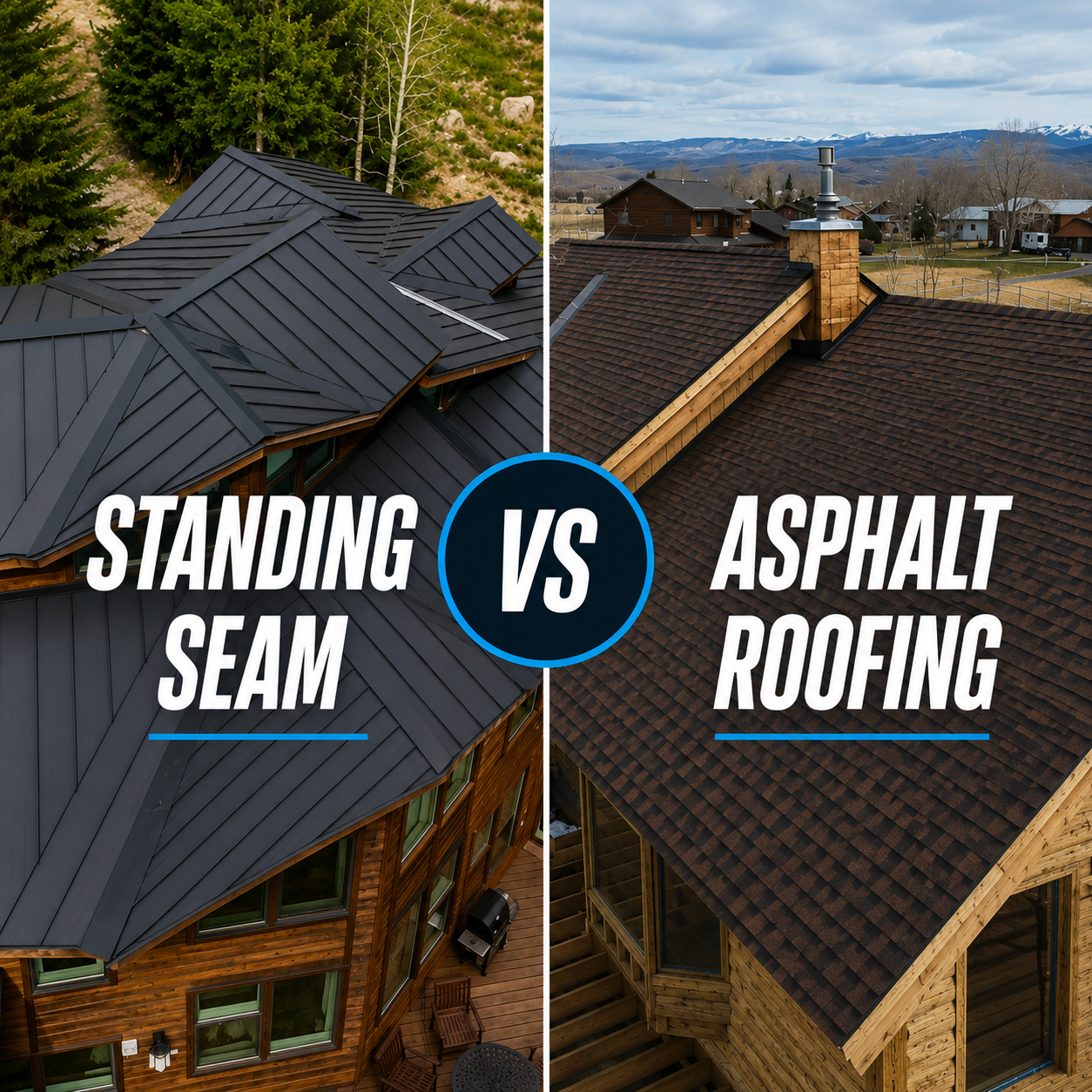
While standing seam metal remains one of our preferred solutions for steep-slope mountain roofs, membrane roofing systems are often the smarter choice for flat and low-slope structures.
The goal is not to install a particular product. The goal is to install the roofing system that will perform best for the building, the environment, and the long-term needs of the property owner.
At Ski Jump Condominiums, that meant replacing an aging roofing system with a modern, fire-rated membrane roof designed to protect these buildings for decades to come.
Is Your Flat Roof Showing Signs of Age?
If your condominium, commercial building, or low-slope roof is showing signs of deterioration, now is the time to evaluate your options.
Our team helps property owners & managers throughout Crested Butte, Mount Crested Butte, Gunnison, and Durango assess existing roof conditions and identify roofing systems engineered for Colorado's unique mountain environment.
Schedule a roof assessment with Axtell Mtn Construction to learn whether a modern membrane roofing system may be the right fit for your property.

Cost Comparison: Looking Beyond the Initial Investment
Curious What a New Roof Might Cost?
Every home is unique, and factors like roof size, pitch, material selection, and location all influence the final investment. Whether you're considering a premium standing seam metal roof or exploring other roofing options, getting an estimate is the best place to start.
Use our free Instant Roof Estimate tool to receive a personalized preliminary estimate in minutes. Then, when you're ready, our team can perform a professional roof assessment, verify measurements, discuss material options, and provide a detailed project proposal tailored to your home and budget.
Why Axtell Recommends Standing Seam Roofing for Mountain Homes
Colorado mountain homes face some of the most demanding weather conditions in the country. Heavy snow, freeze-thaw cycles, high winds, intense UV exposure, and wildfire concerns all influence how a roof performs over time.
That's why Axtell specializes in premium 50-70 year standing seam roofing systems that are engineered specifically for these conditions. Through our partnership with Gunnison Sheet Metal & Roll Forming, we use precision roll-formed panels manufactured locally for each project, ensuring exceptional fit, performance, and craftsmanship. Combined with our experienced installation team, homeowners receive a roofing system designed to protect their investment for decades.