From Flammable Cedar Shake to Stout Standing Seam:
A Mountainside Roof Built for Colorado Weather
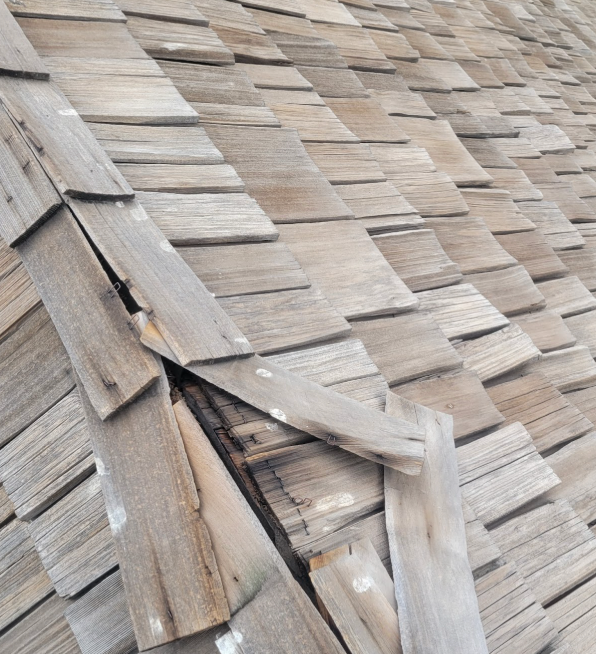
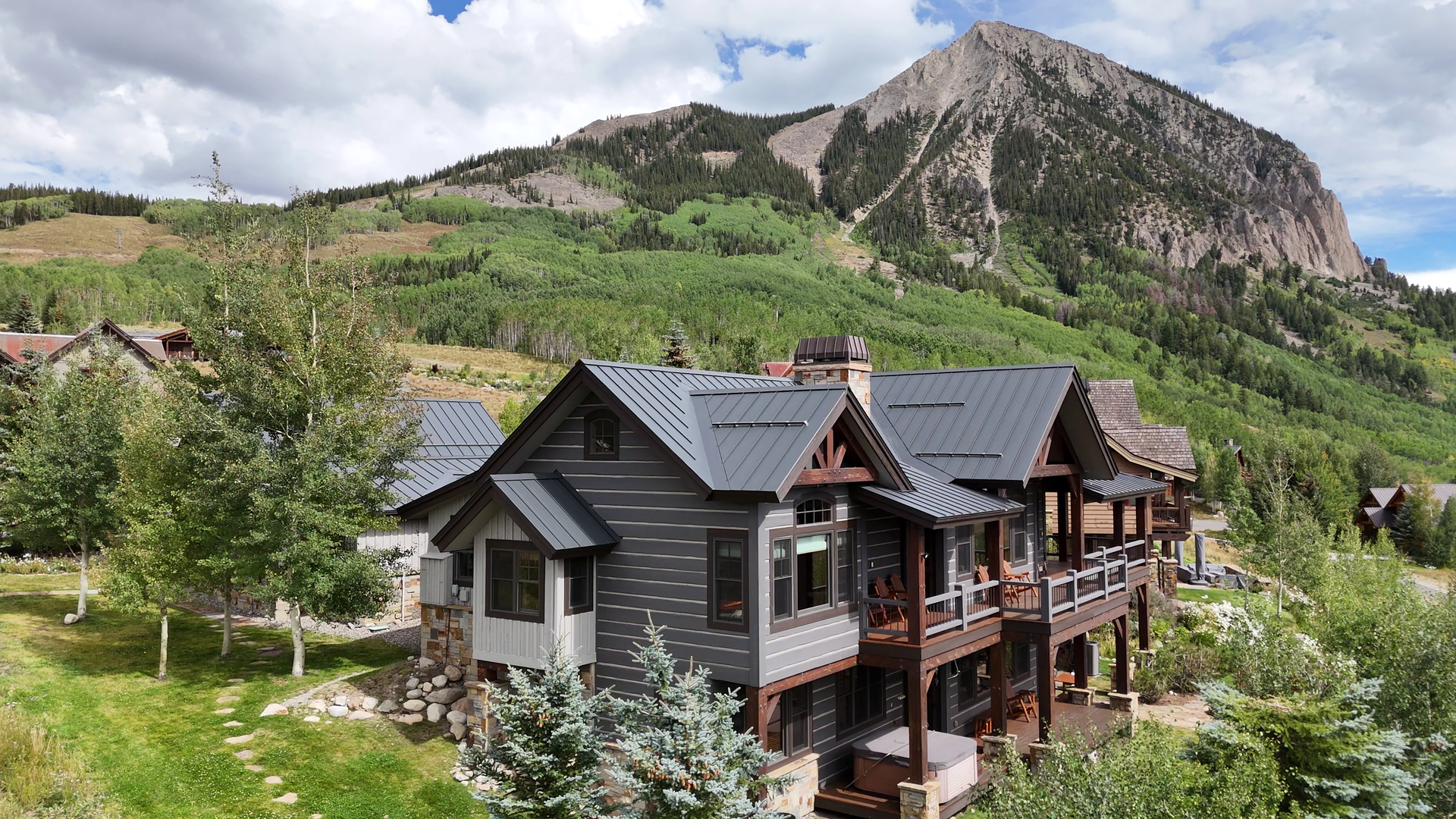
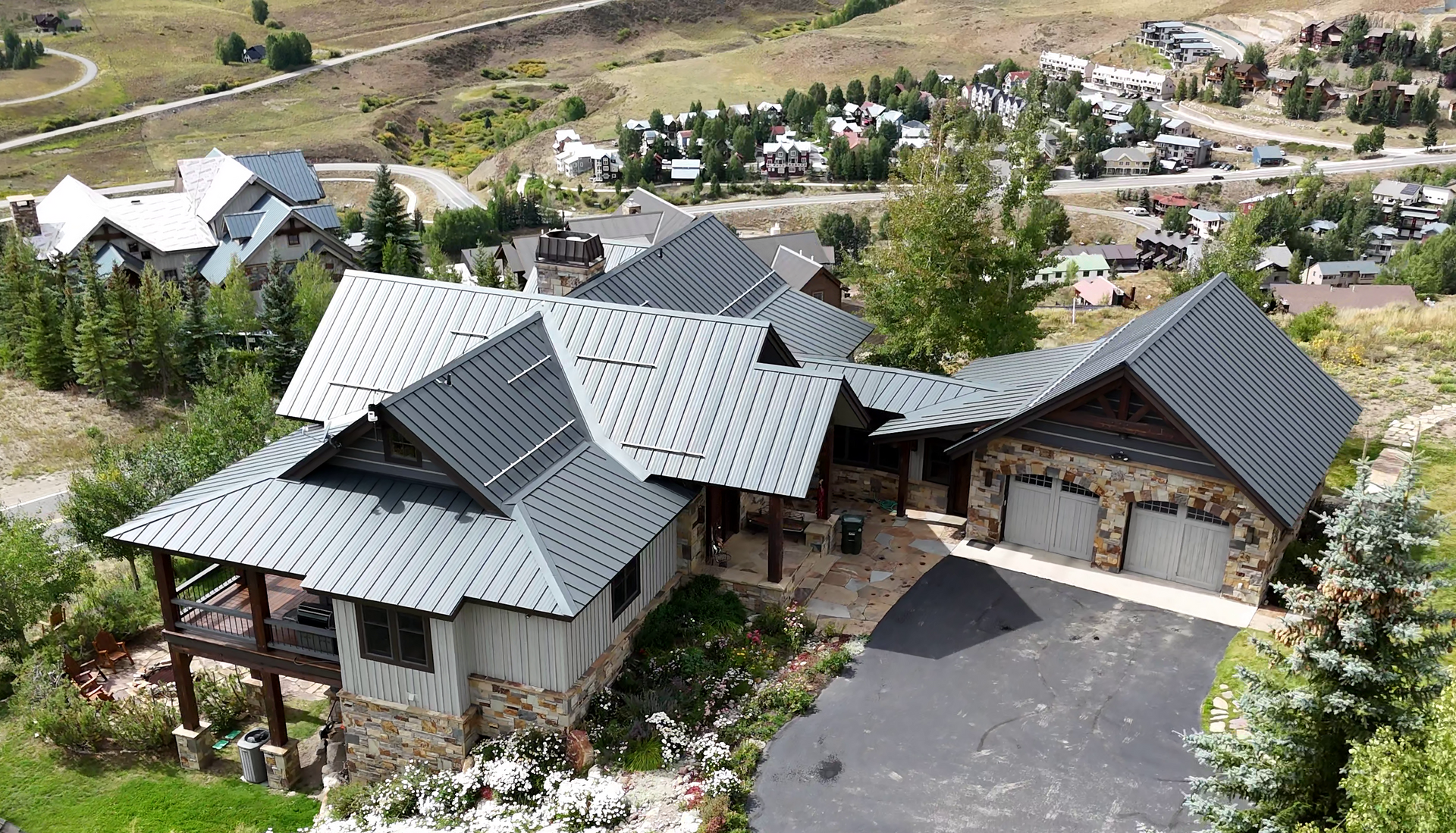
If you own a mountain home in Colorado, your roof is not just a finishing touch, it is life support for your house. This mountainside project shows what happens when an aging cedar shake roof is replaced with a high performance metal system built for snow load, ice and fire risk.
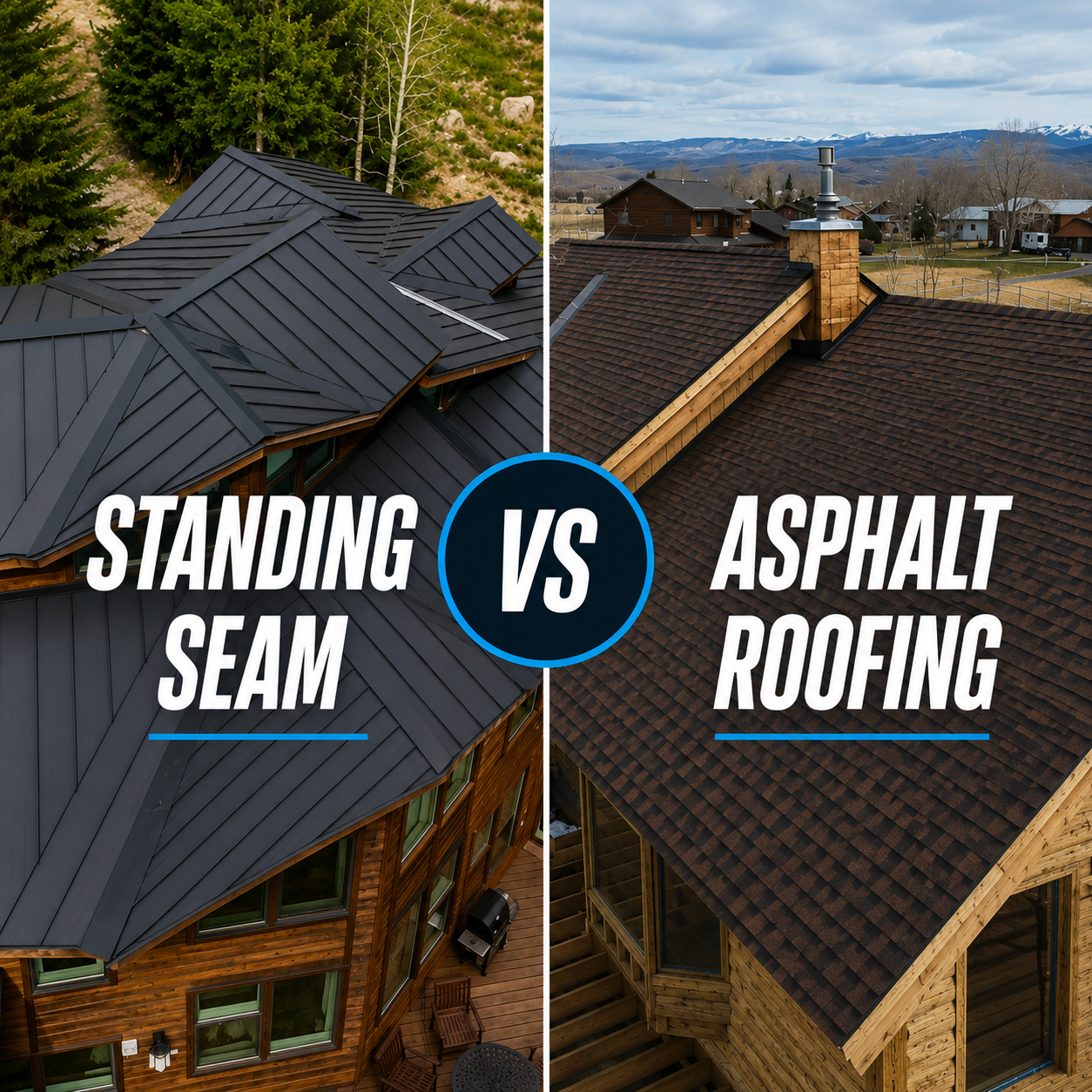
Aging Cedar Shake vs Modern Metal Roofing
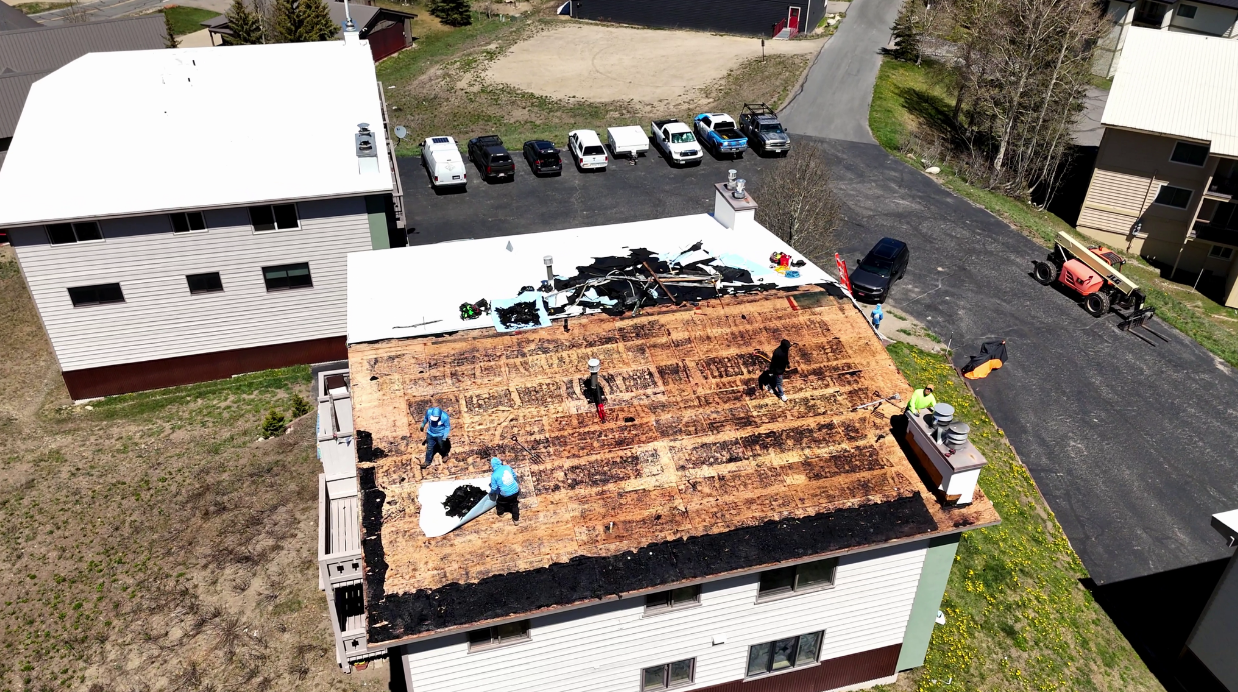
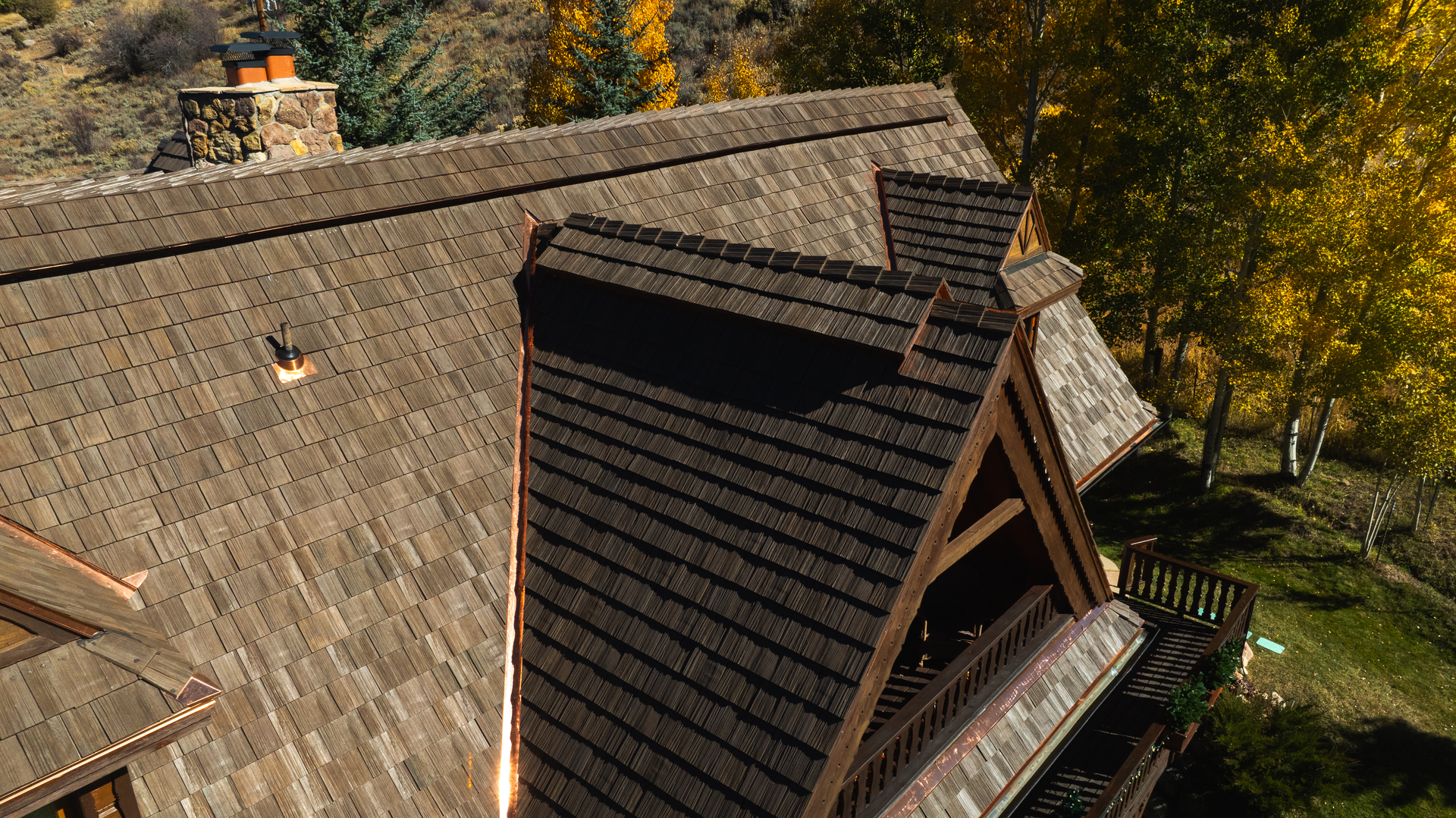
Cedar shake can be beautiful, and with constant maintenance it can last up to 50 years. Without that care, lifespan can drop in half. In a high elevation climate with heavy snow, intense UV and wildfire exposure, that is a big gamble.This home started with a cedar shake roof that had done its time. The owners wanted something that would protect their investment for the next several decades, not just the next season. That is where a 1 inch mechanical lock standing seam roof came in.

Why This Homeowner Chose Standing Seam
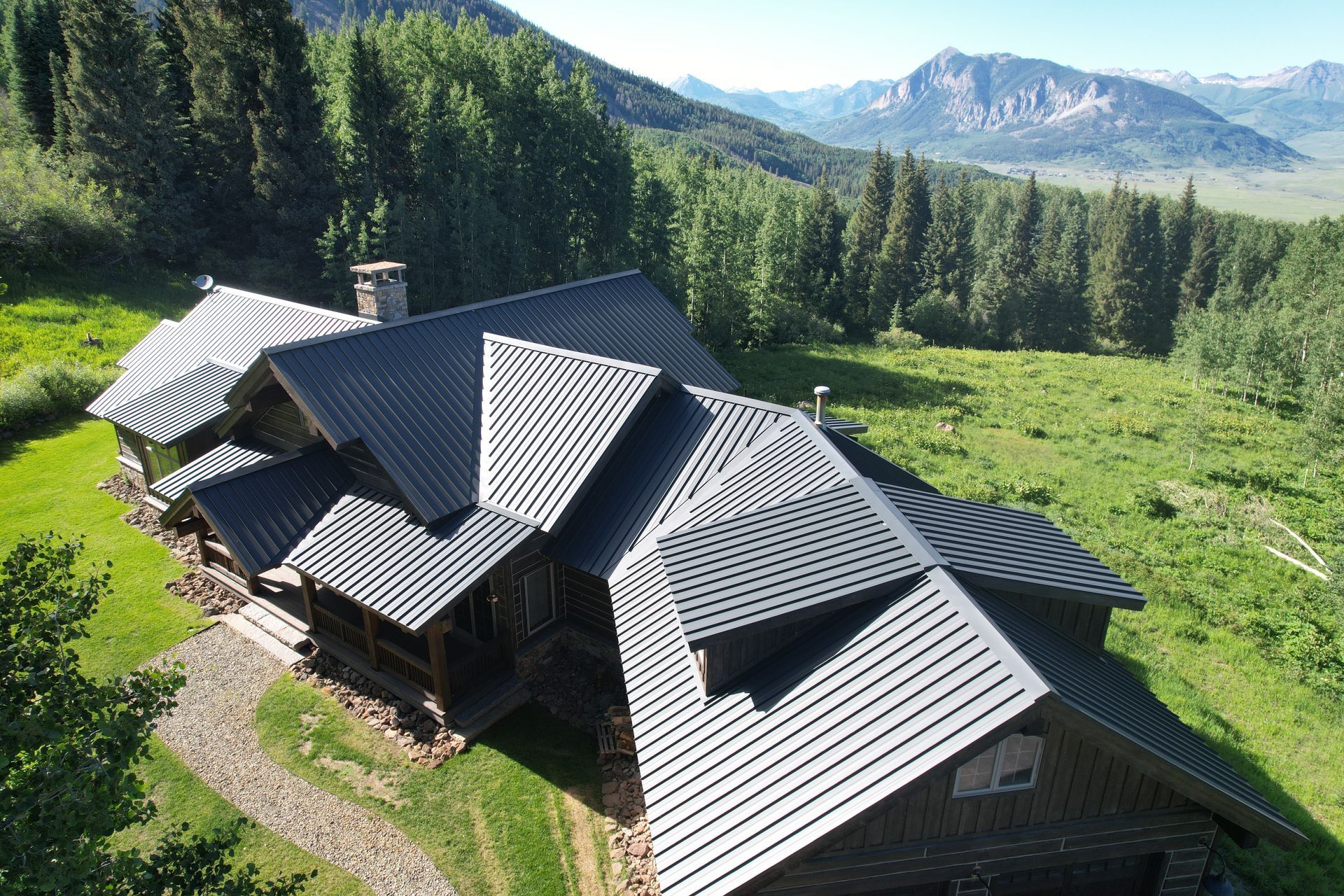
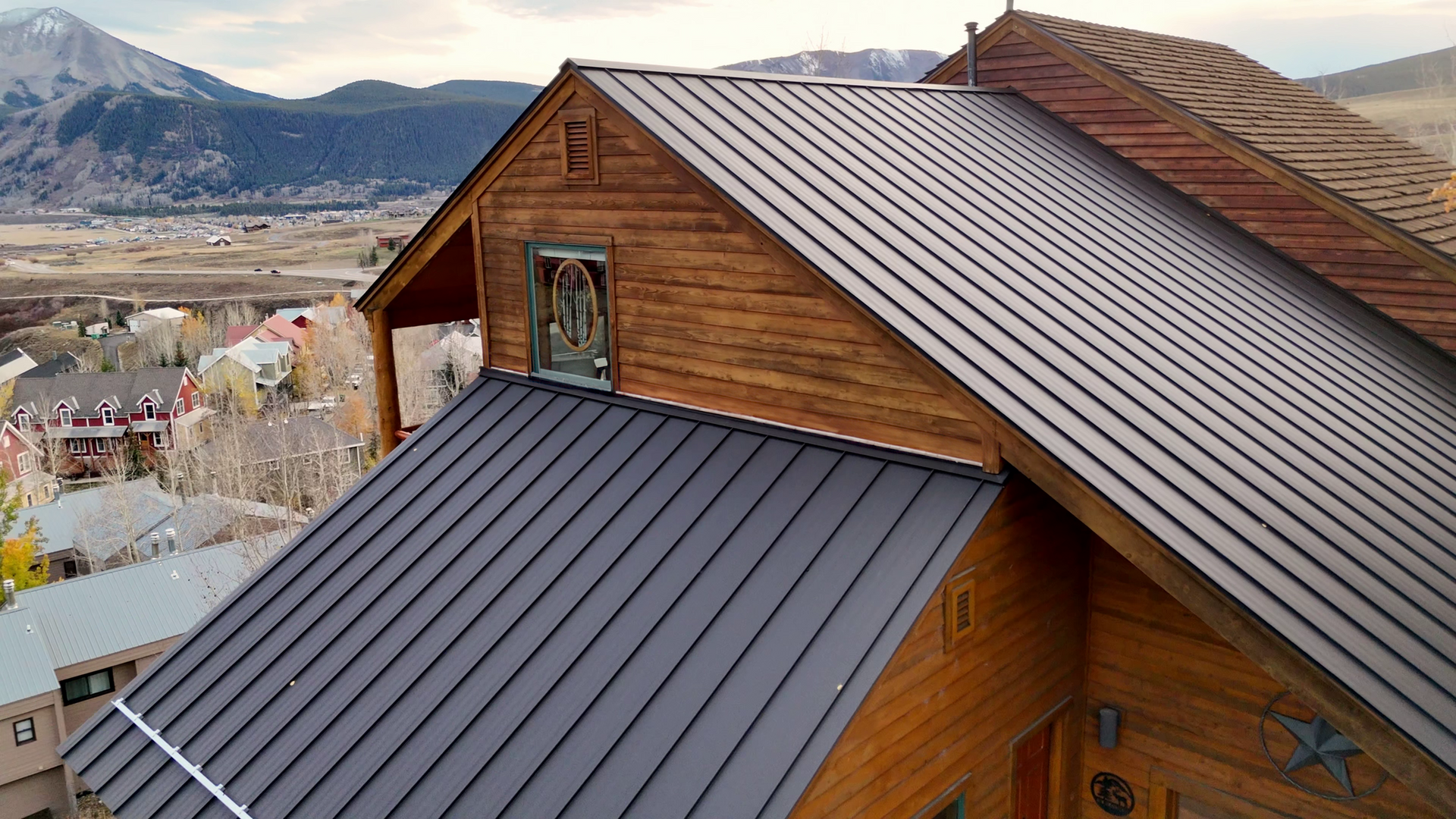
For this project, Axtell Mtn Construction installed 17 inch wide, 1 inch ribbed Mechanical Lock panels with striations to help reduce visible oil canning. The panels were roll-formed in Coated Metals Group Ultra Low Gloss Charcoal Grey, a color that blends into the mountainside while still giving the home a clean, modern profile.
Standing seam mechanical lock has become a favorite for Colorado mountain homes because it is engineered with manually sealed seams thus resistant to water infiltration, highly stable against wind uplift, compatible with snow retention and heat cable systems, and little to no maintenance than wood based roofing.
Solving Complex Roof Geometry
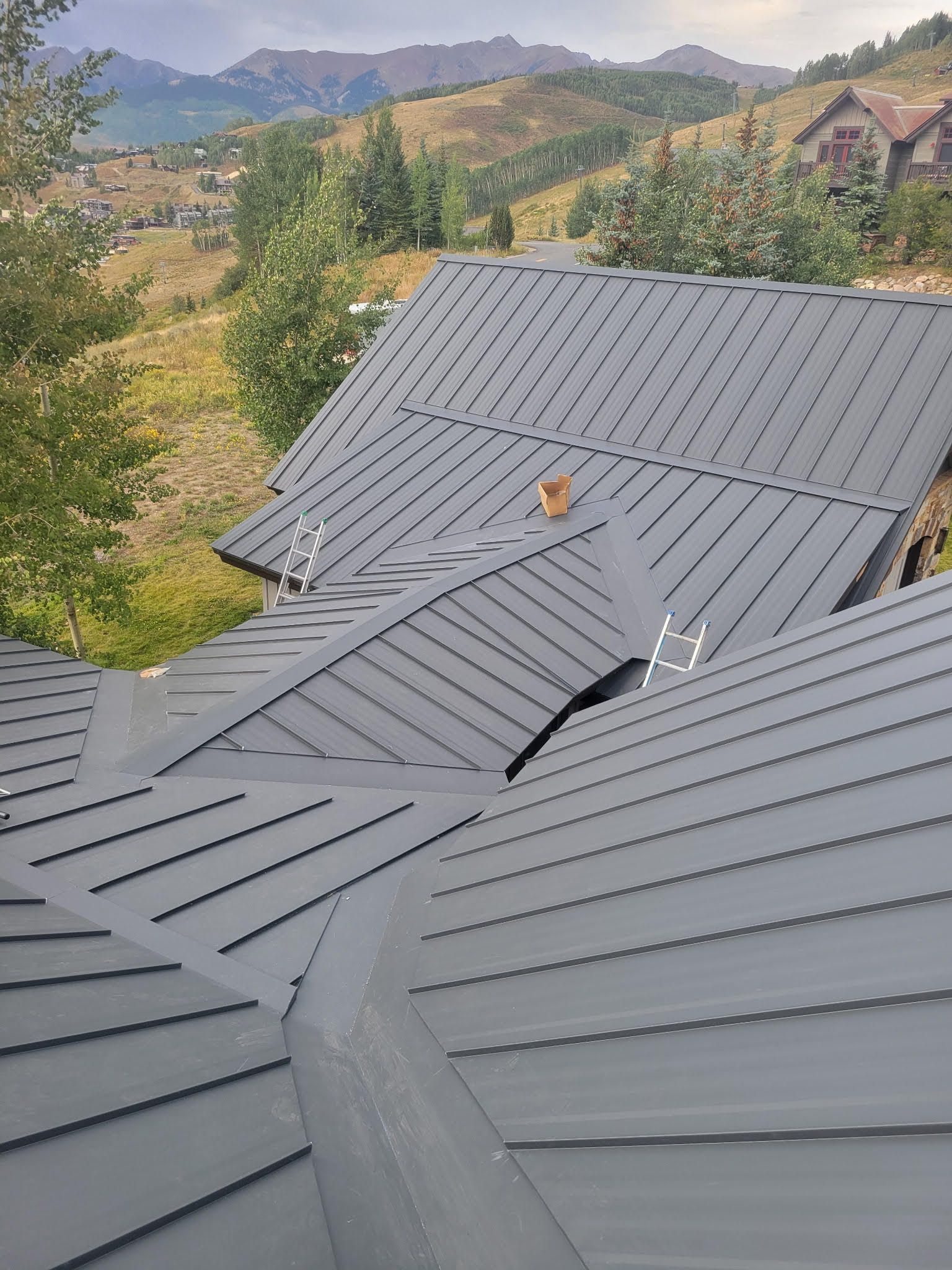
One of the most unique features on this project was the breezeway, which included an irregular hip where two roof planes met at different pitches. Instead of relying on a patchwork of valley flashing and hip caps, the Axtell crew designed custom tapered panels that tie everything together cleanly. Fewer seams and fewer awkward transitions mean fewer weak points over the life of the roof.
Building for Snow, Ice and Drainage
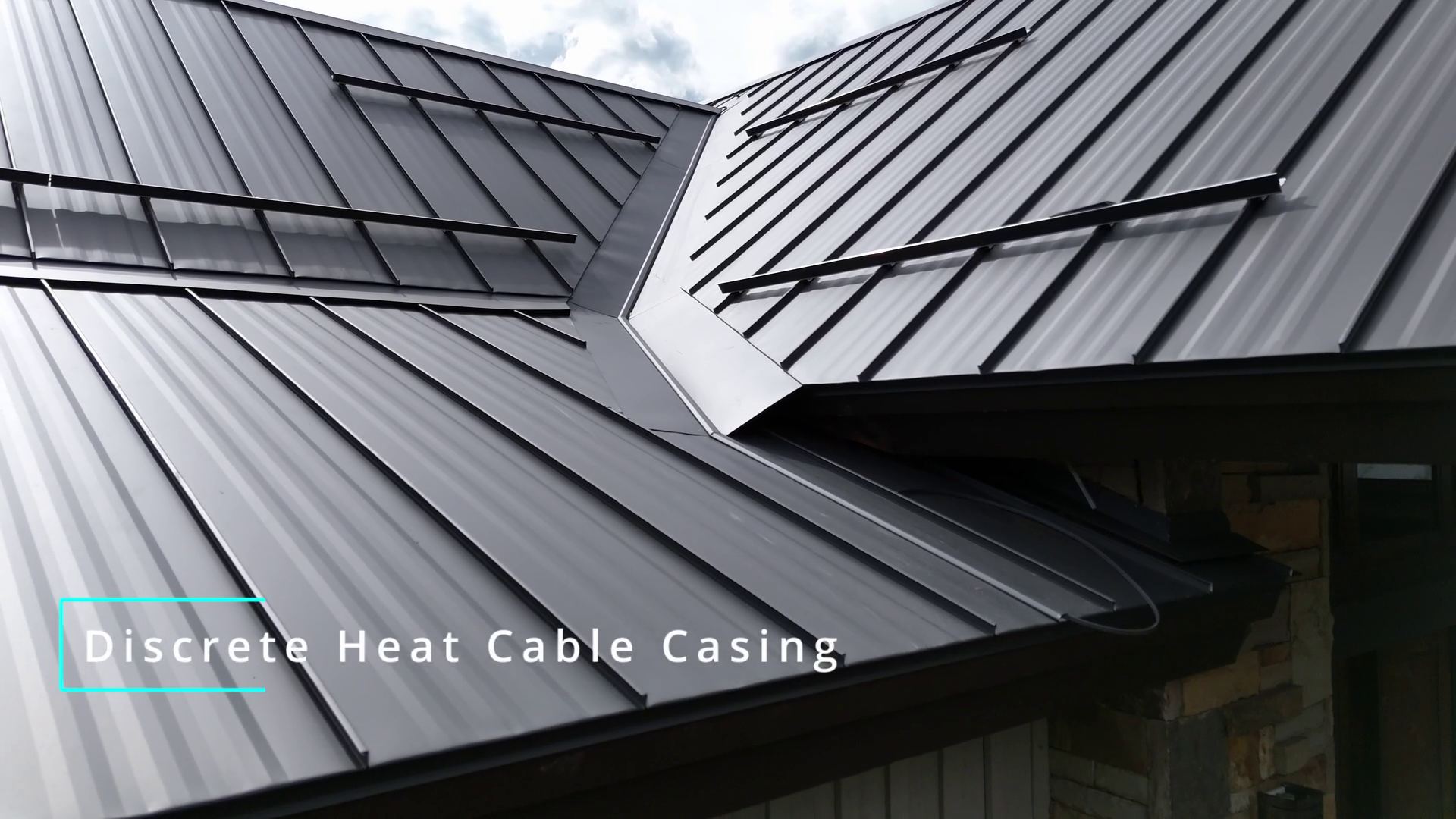
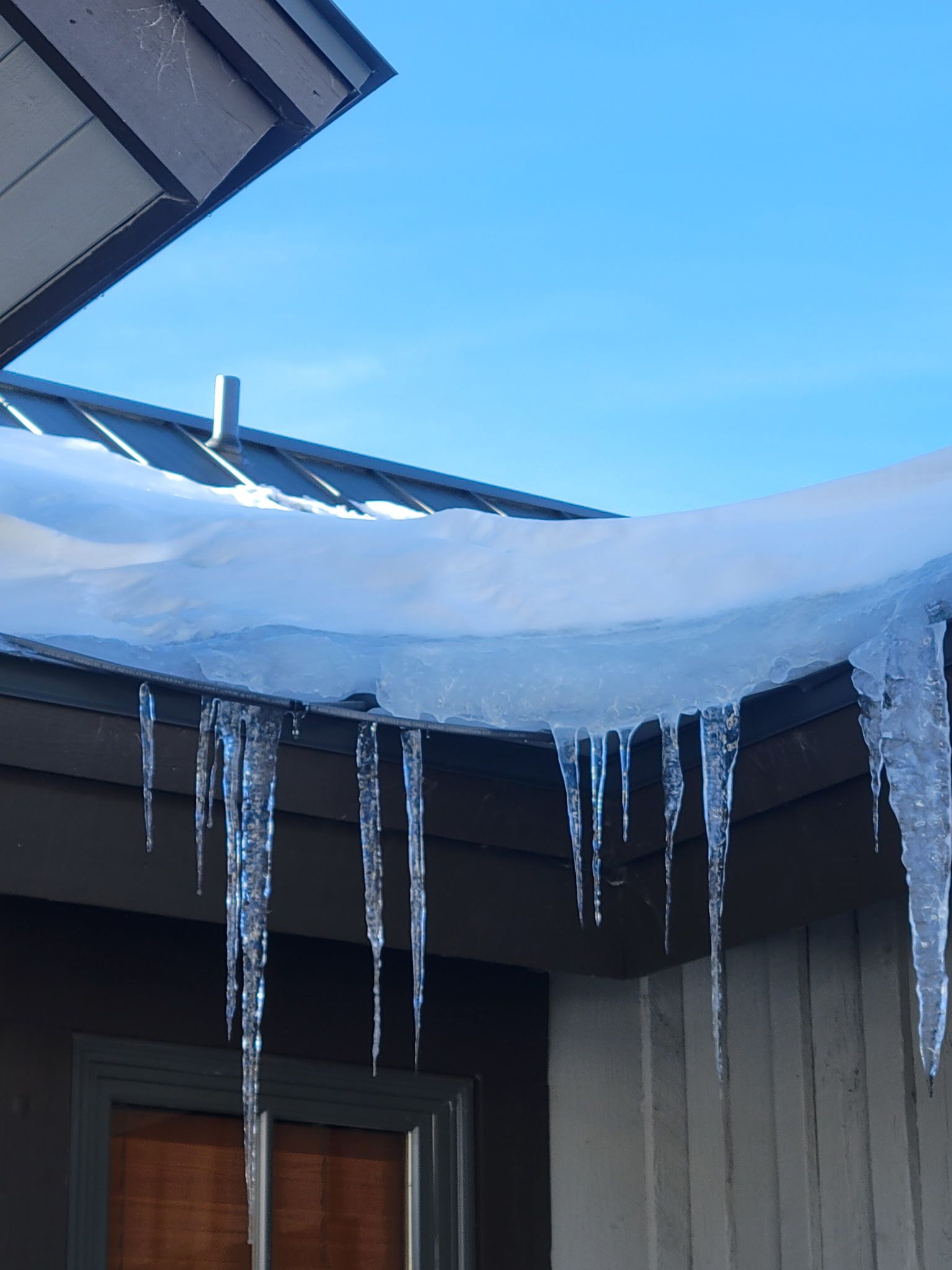
High country roofs live or die in the roof valleys; a weak point on any home, but especially in snow & ice climates. Here, Axtell used 24 inch wide valley pans paired with 240 volt metal heat cable channels to create a controlled drainage path. Around those valleys, the mechanical lock seams were manually “double-locked” to create a watertight, ice resistant assembly.
On top of that, a full S-5! Colorgard snow retention system manages how snow sheds and melts, protecting decks, walkways and landscaping below.
Key Takeaways for Mountain Homeowners
If you are thinking about replacing cedar shake or another aging roof on a mountain property, this project highlights a few important lessons:
• Choose a system that is engineered for your climate, not just your style
• Pay attention to valleys, hips and transitions where leaks like to start
• Pair your roof with the right heat cable and snow retention layout
• Work with a contractor who understands both the craft and the climate susceptibilities
Ready to talk about your own mountainside roof upgrade? Start with a call with our roofing experts and a plan built around snow load, fire resilience and long term performance with minimal maintenance.
Unique Attributes
24” wide valley pans, paired with metal 240-Volt cable channels, ensure ice dam mitigation with a drainage path – ultimately water-proofed by double locking the ribs surrounding valley pans.
Full S-5! Colorgard snow retention system offers snow shed & melt control.
Unique hip detail approached by applying a tapered trapezoidal panel instead of an awkward hip cap and valley pan.