What Causes Ice Dams on Colorado Roofs?
Warning Signs, Prevention, and Solutions
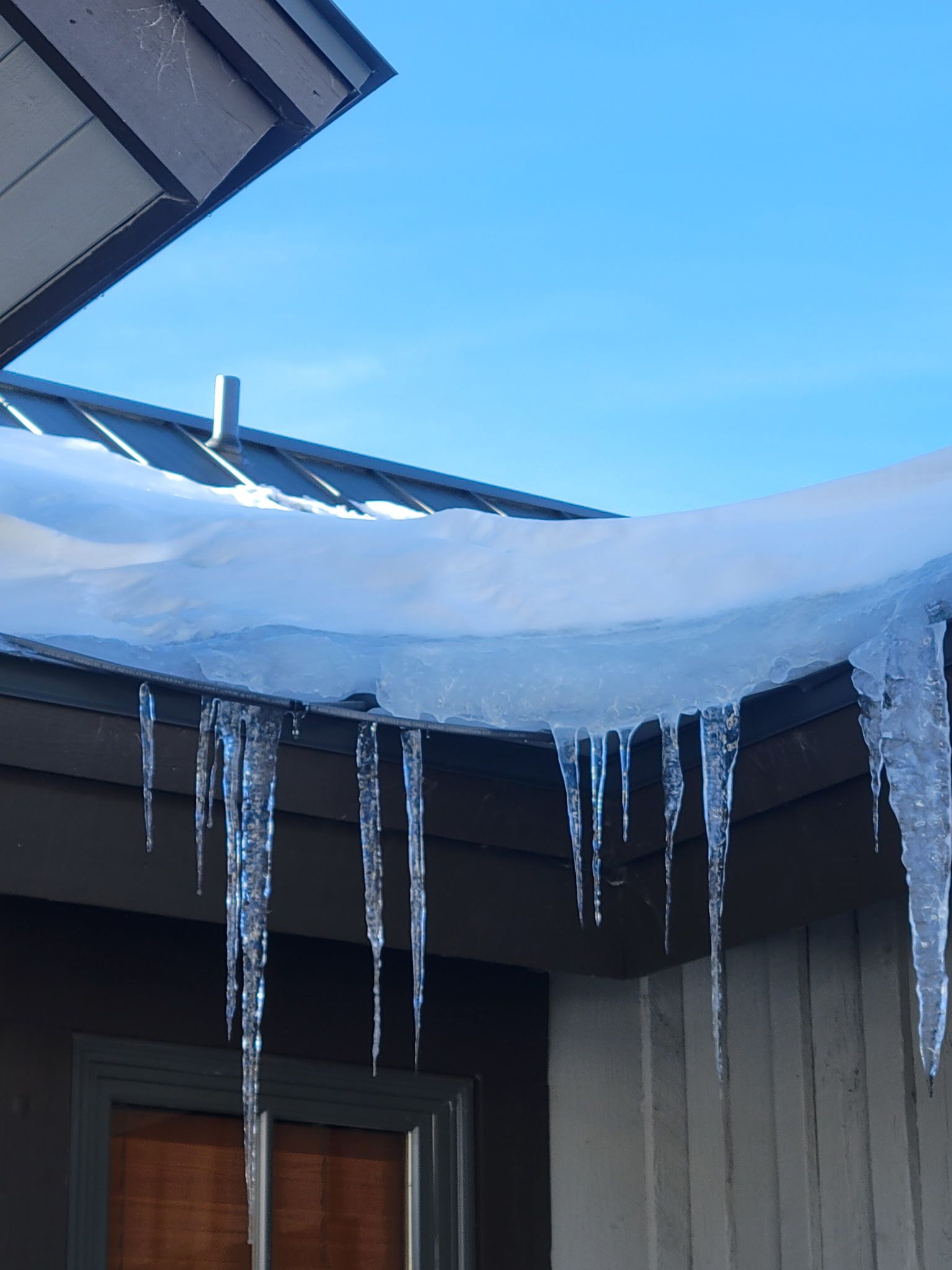
Ice buildup along a roof edge may look like a normal part of winter. However, when that ice blocks melting snow from draining, it can create an ice dam.
Water trapped behind an ice dam may move beneath roofing materials or enter through vulnerable flashing, seams, fasteners, and roof transitions by ice-wedging.
At Axtell Mtn Construction, we help homeowners and property managers across Western Colorado identify roofing and drainage problems before they become winter leaks.
What the 2026-27 El Niño Forecast Means for Colorado Roofs
NOAA expects El Niño to remain strong through the 2026-27 winter. The current forecast does not tell us exactly how much snow Gunnison, Crested Butte, Durango, or another Colorado community will receive.
It does signal that homeowners should prepare for changing storm patterns and potentially challenging winter conditions.
The safest plan is to make sure the roof, gutters, valleys, snow retention, and heat cable are ready before the first heavy snowfall.
How Does an Ice Dam Form?
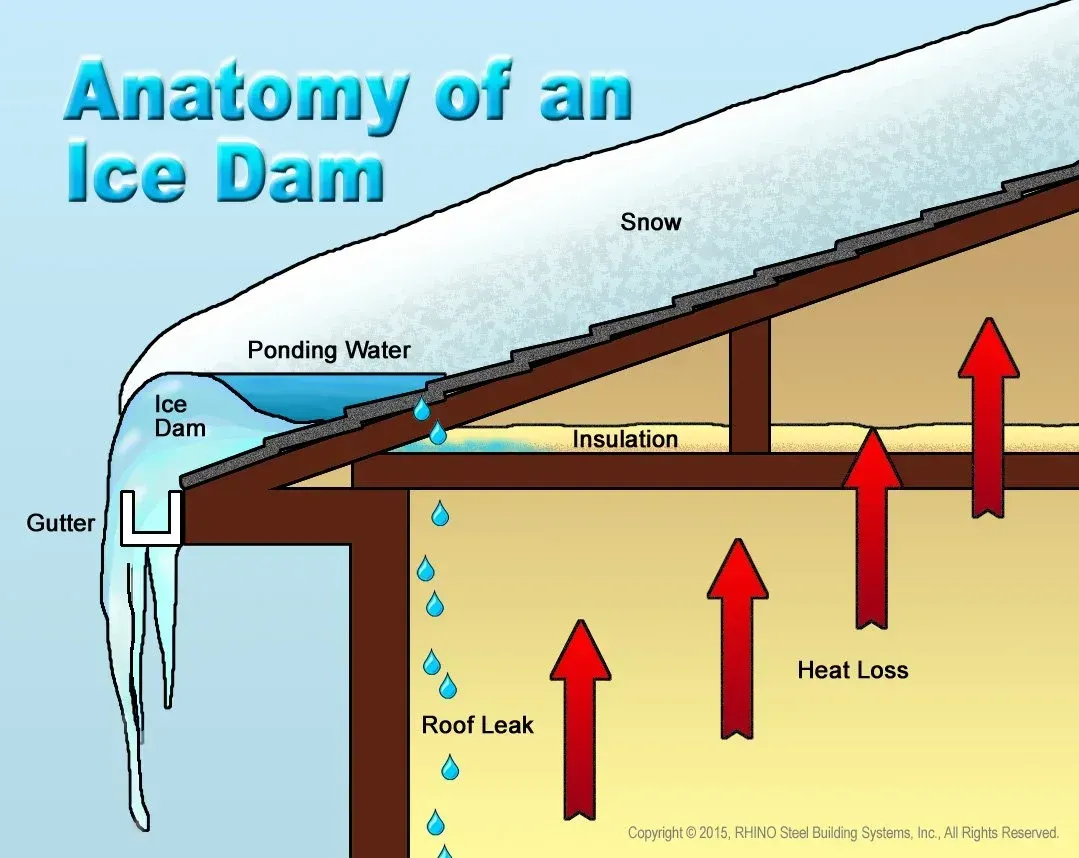
An ice dam begins when snow melts on a warmer part of the roof.
The water moves down the roof and reaches a colder eave, overhang, valley, or gutter. It then refreezes and begins creating a ridge of ice.
As more snow melts, water collects behind that ice. With nowhere to drain, the water may enter the roofing system or building as the freezing water expands into crevices and creates leak points as it melts again.
Common Warning Signs
Watch for:
- Thick ice along the eaves
- Large or recurring icicles
- Frozen gutters or downspouts
- Ice buildup in roof valleys
- Uneven snowmelt
- Water stains on ceilings
- Damp attic insulation
- Leaks following snowstorms
Small icicles do not always mean there is a major problem. Recurring ice buildup or interior moisture should be inspected.
What Causes Ice Dams?
Several conditions may contribute.
Heat Loss
Warm air escaping from the home can heat the roof deck and melt the snow above it.
Thin insulation, attic access doors, recessed lighting, exhaust vents, and other openings may allow heat to reach the roof.
Poor Drainage
Blocked gutters, frozen downspouts, poorly draining valleys, and low-slope transitions may prevent water from leaving the roof.
Roof Design
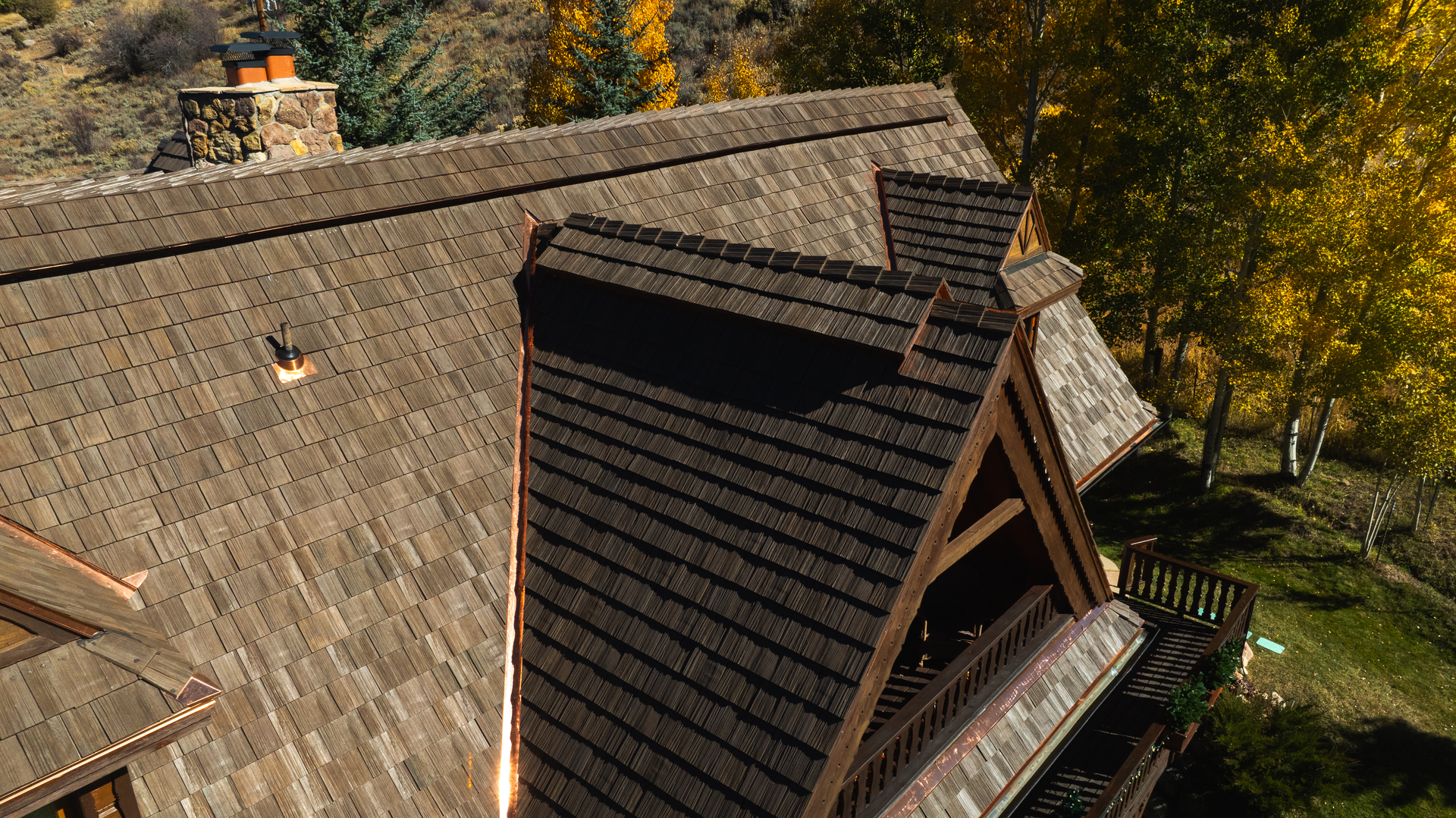
Dormers, multiple roof levels, long valleys, and shaded roof sections can create areas where snow and ice collect.
Changing Temperatures
Colorado’s freeze-thaw cycles allow snow to melt during warmer periods and refreeze when temperatures drop.
Can Heat Cable Help?
Heat cable can help maintain drainage paths through recurring problem areas.
It may be installed along:
- Roof valleys
- Eaves
- Gutters
- Downspouts
- Low-slope transitions
Heat cable should be designed around the roof and drainage system. Melting snow without providing a clear path for the water can move the ice problem to another area.

Do Metal Roofs Prevent Ice Dams?
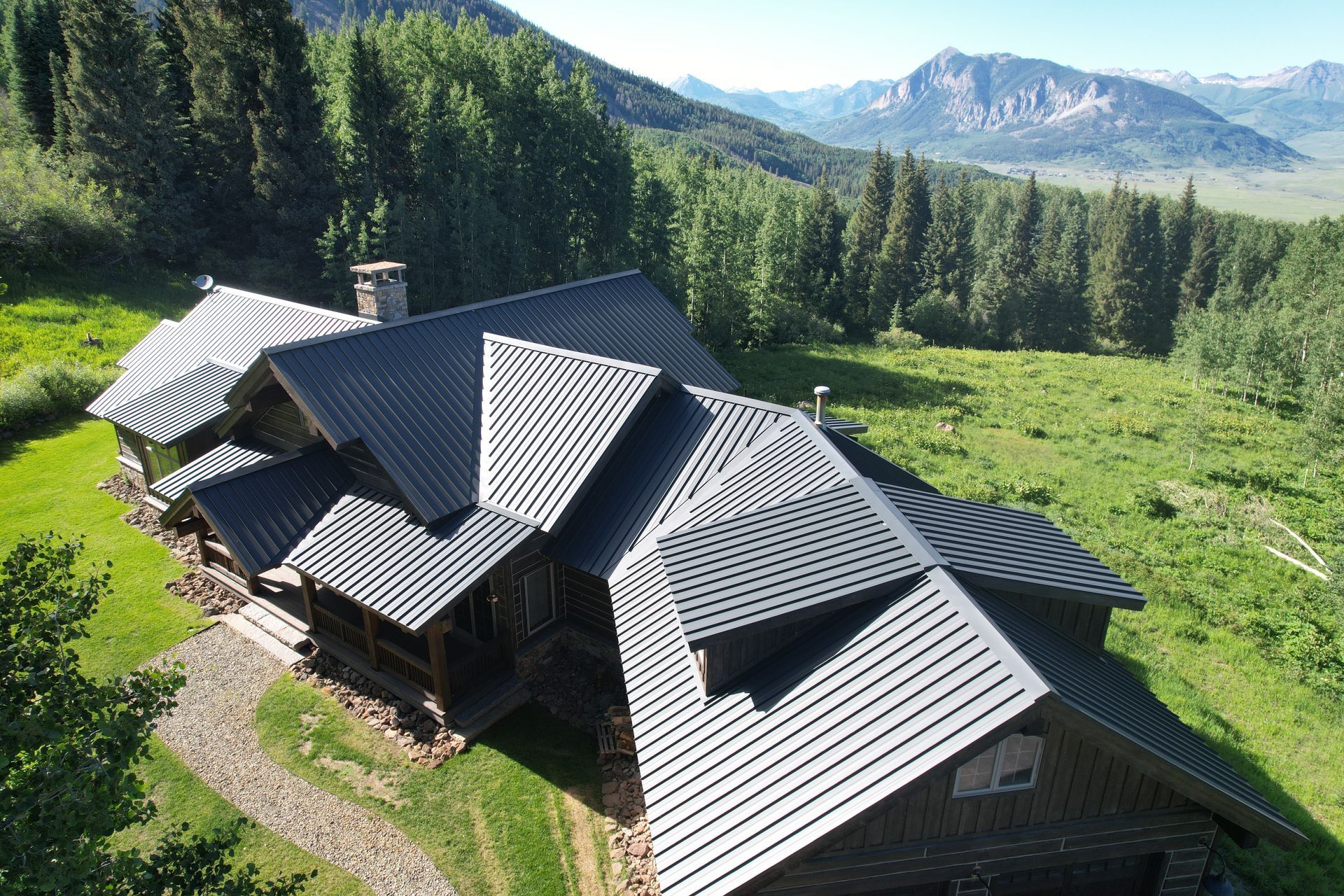
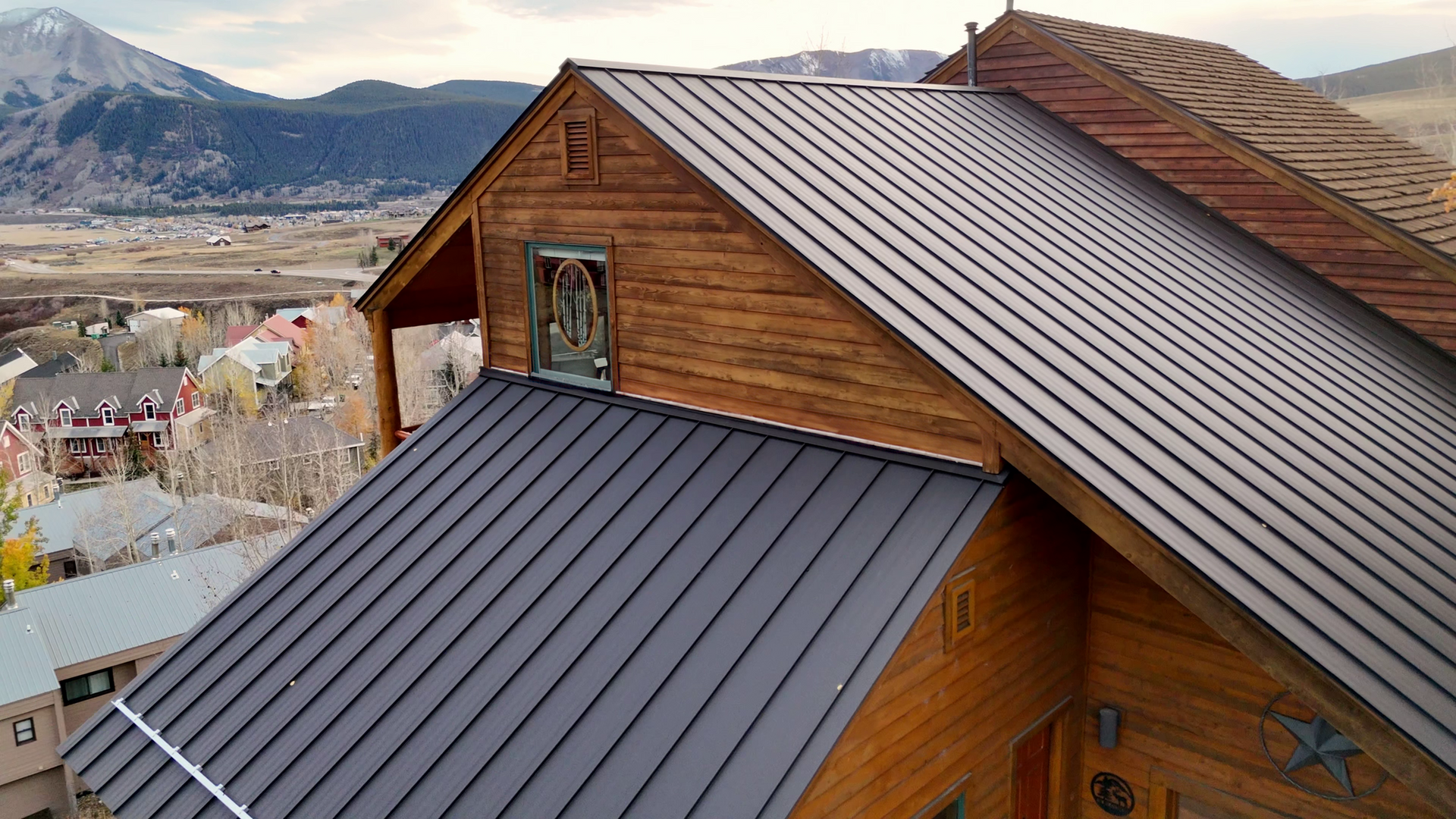
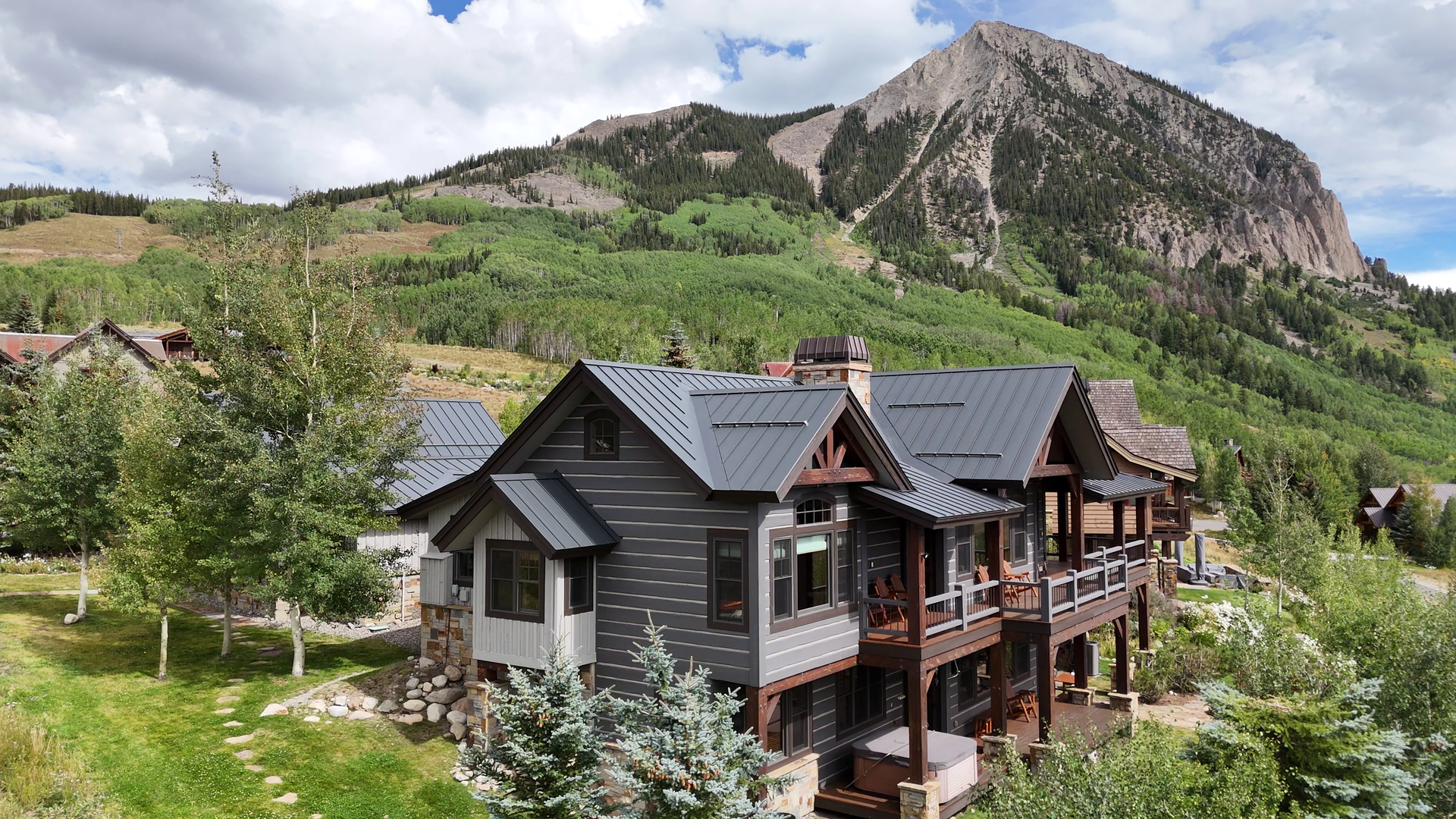
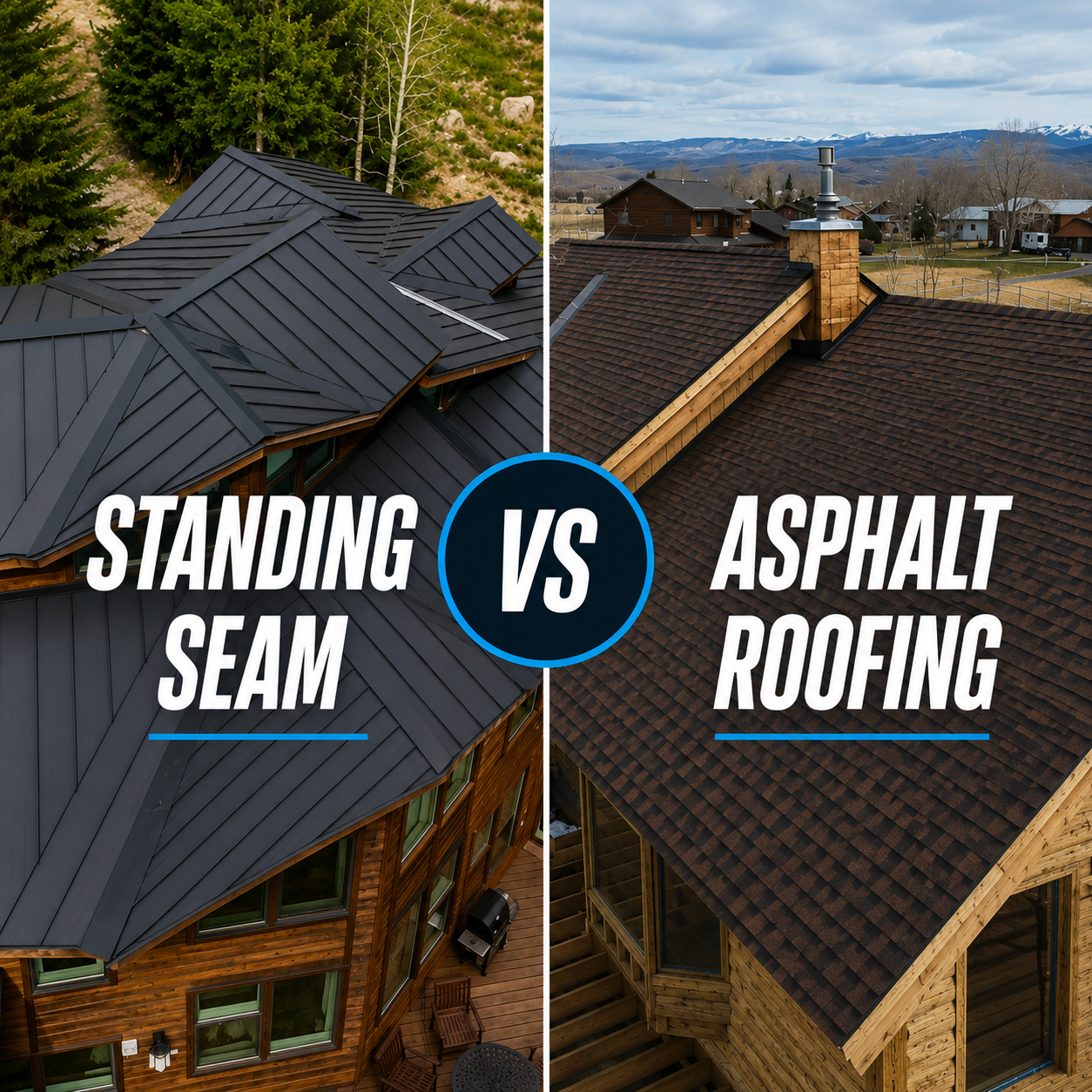
Standing seam metal roofing sheds snow and water more efficiently than many other roofing materials. This can reduce snow accumulation and improve drainage.
However, ice may still develop when heat escapes through the roof, valleys do not drain correctly, gutters are blocked, or heat cable is missing from known problem areas.
Bottom Line
A quality metal roof helps manage snow and water, but the complete roofing and drainage system determines how well the home handles winter.
How to Prepare Before Winter
Before the 2026-27 El Niño winter, schedule an inspection of:
- Roofing materials and seams
- Flashing and penetrations
- Roof valleys
- Gutters and downspouts
- Existing heat cable
- Snow retention
- Areas with previous ice or leaks
An ice dam does not automatically mean the entire roof needs replacement. A targeted repair, drainage improvement, or heat cable upgrade may solve the problem.
If the roof is aging or has widespread damage, replacement may provide better long-term value.
Schedule an Ice Dam Assessment
Axtell Mtn Construction installs roofing, heavy-gauge steel gutters, snow retention, and integrated heat cable systems built for Colorado mountain conditions.
If your home has recurring ice buildup or winter roof leaks, schedule an assessment before the next heavy snowfall.
Why Homeowners Across Southwest Colorado Trust Axtell
Replacing a roof is about more than selecting materials. It's about investing in a roofing system designed to perform in Colorado's demanding climate.
At Axtell Mtn Construction, we specialize in premium roof replacements throughout Durango, Gunnison, Crested Butte, Pagosa Springs, Bayfield, Cortez, Dolores, Telluride, Ouray, and Silverton. Every recommendation is based on your home's architecture, elevation, weather exposure, and long-term goals, ensuring your new roof delivers lasting performance for decades to come.
Through our partnership with Gunnison Sheet Metal & Roll Forming, we also provide locally manufactured standing seam, corrugated and propanel metal roofing systems that are precision fabricated for each project.
Frequently Asked Questions
What is the main cause of an ice dam?
Ice dams commonly form when snow melts on a warmer part of the roof and refreezes when it reaches a colder section.
Can clogged gutters cause ice dams?
Clogged gutters can make ice buildup worse by preventing meltwater from draining. Heat loss, roof design, valleys, and changing temperatures may also contribute.
Will heat cables stop ice dams?
Heat cable can help keep drainage paths open. It works best as part of a complete system that includes proper roofing, flashing, gutters, insulation, and ventilation.