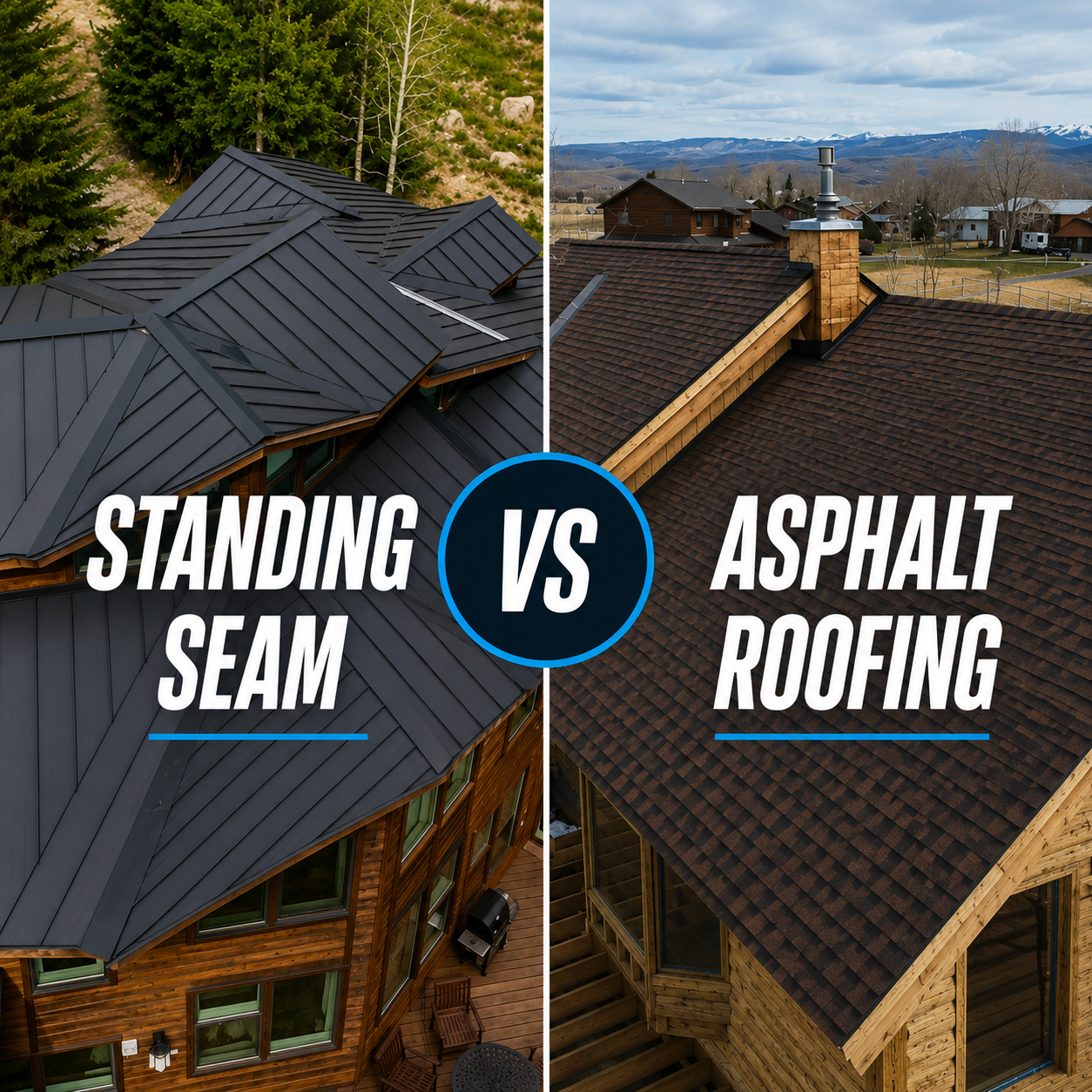
Standing Seam vs. Exposed Fastener Metal Roofing: Which System Is Best for Your Colorado Home?
Metal roofing has become one of the fastest-growing roofing choices across Colorado, and for good reason. Homeowners appreciate its durability, energy efficiency, and ability to withstand the demanding conditions of mountain living.
However, not all metal roofs are built the same.
If you're researching metal roofing, you've likely come across two common systems: standing seam metal roofing and exposed fastener metal roofing. While metal roofing, in general, may be assumed to be resilient universally,, these two different metal roofing styles perform very differently over time.
At Axtell Mtn Construction, we install premium standing seam roofing systems engineered for Colorado's mountain environment. This guide explains the differences between the two systems so you can make an informed decision for your home.
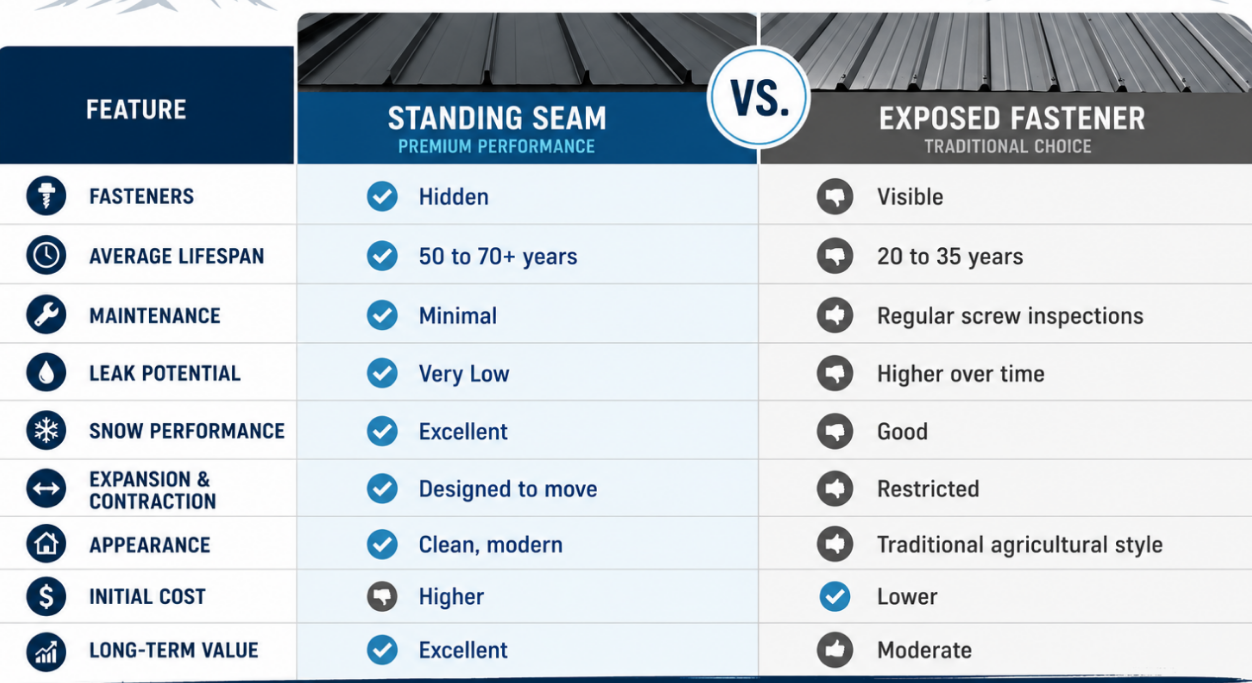
Quick Comparison Standing Seam vs Exposed Fastener

What Is Standing Seam Metal Roofing?
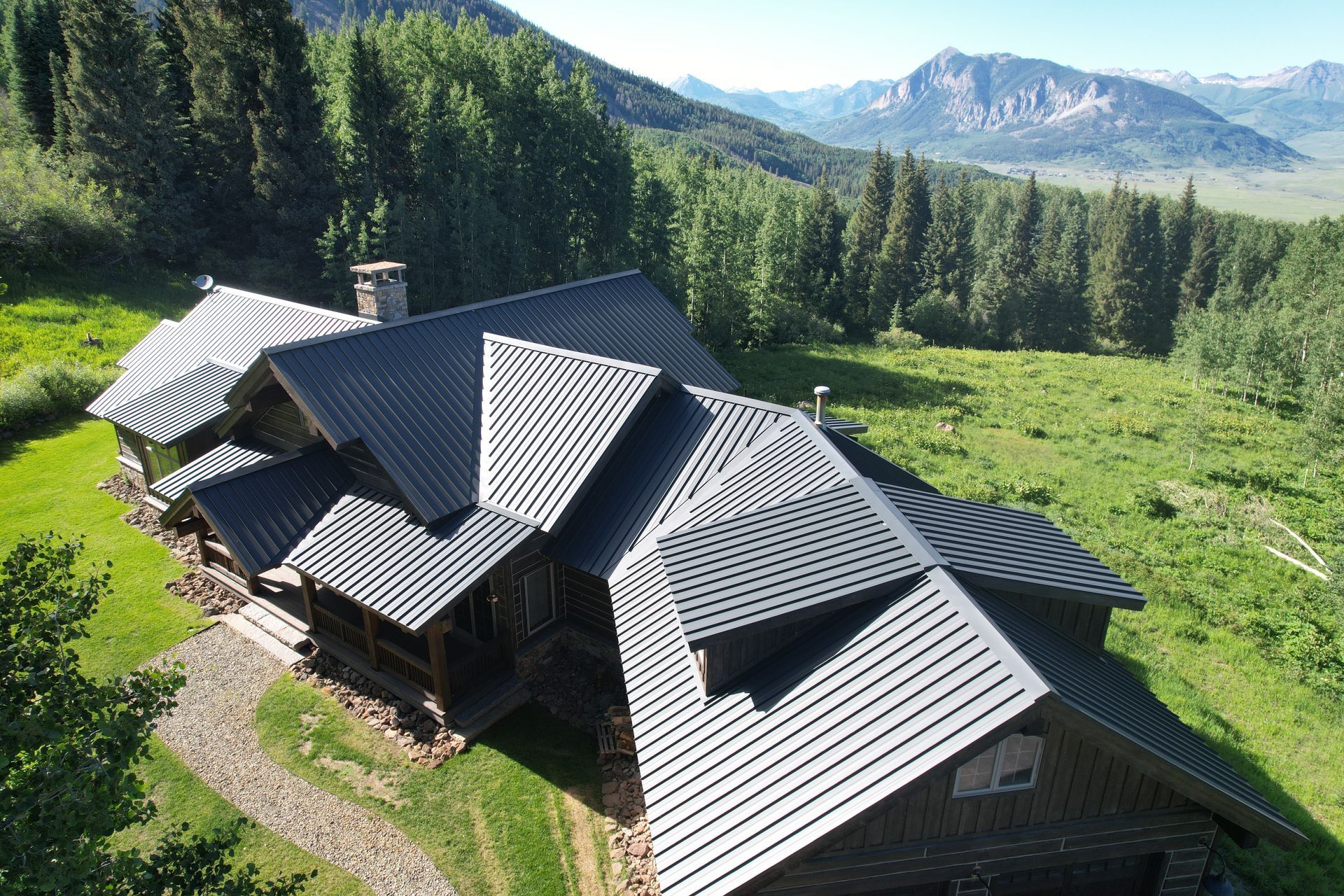
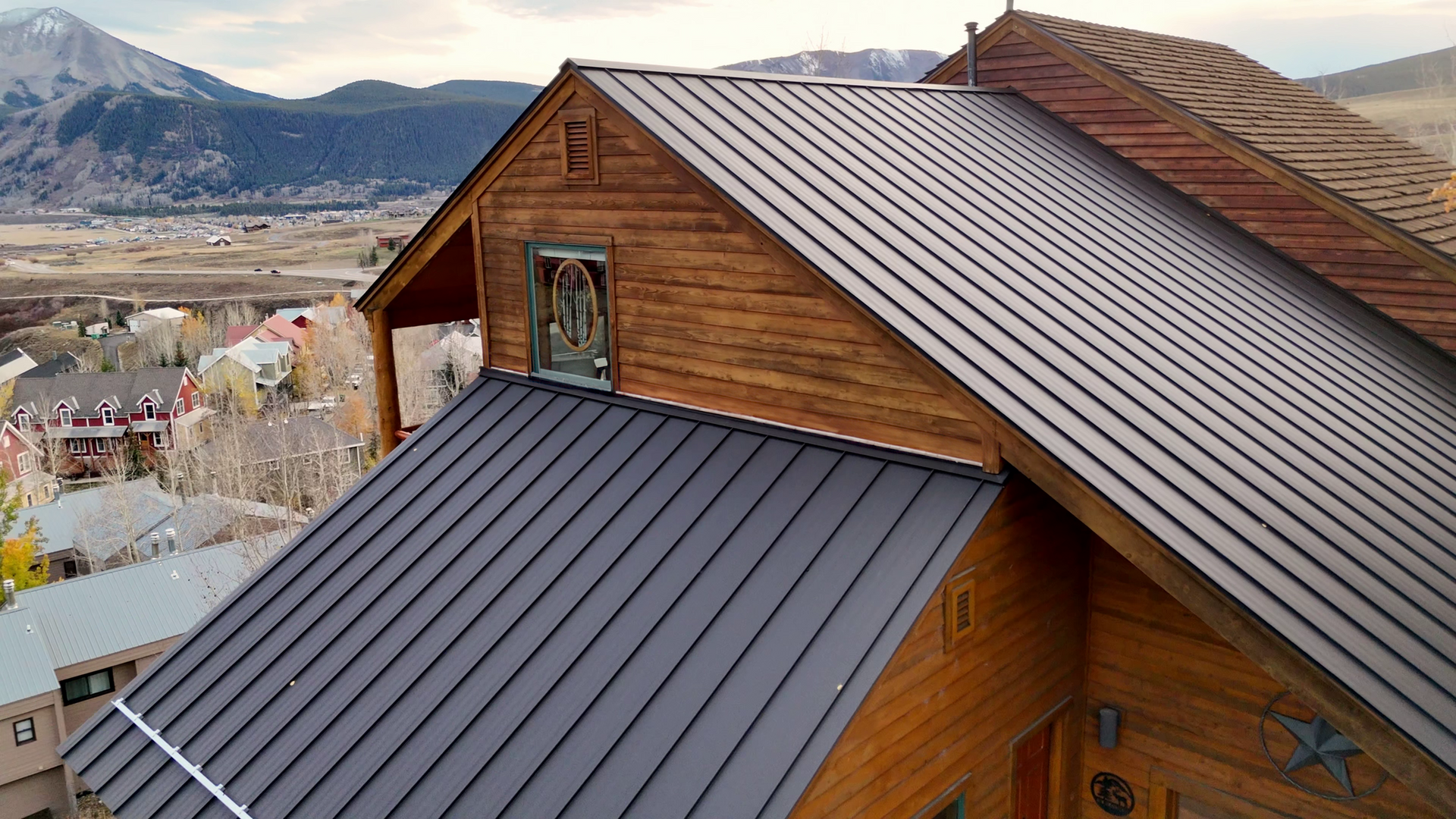
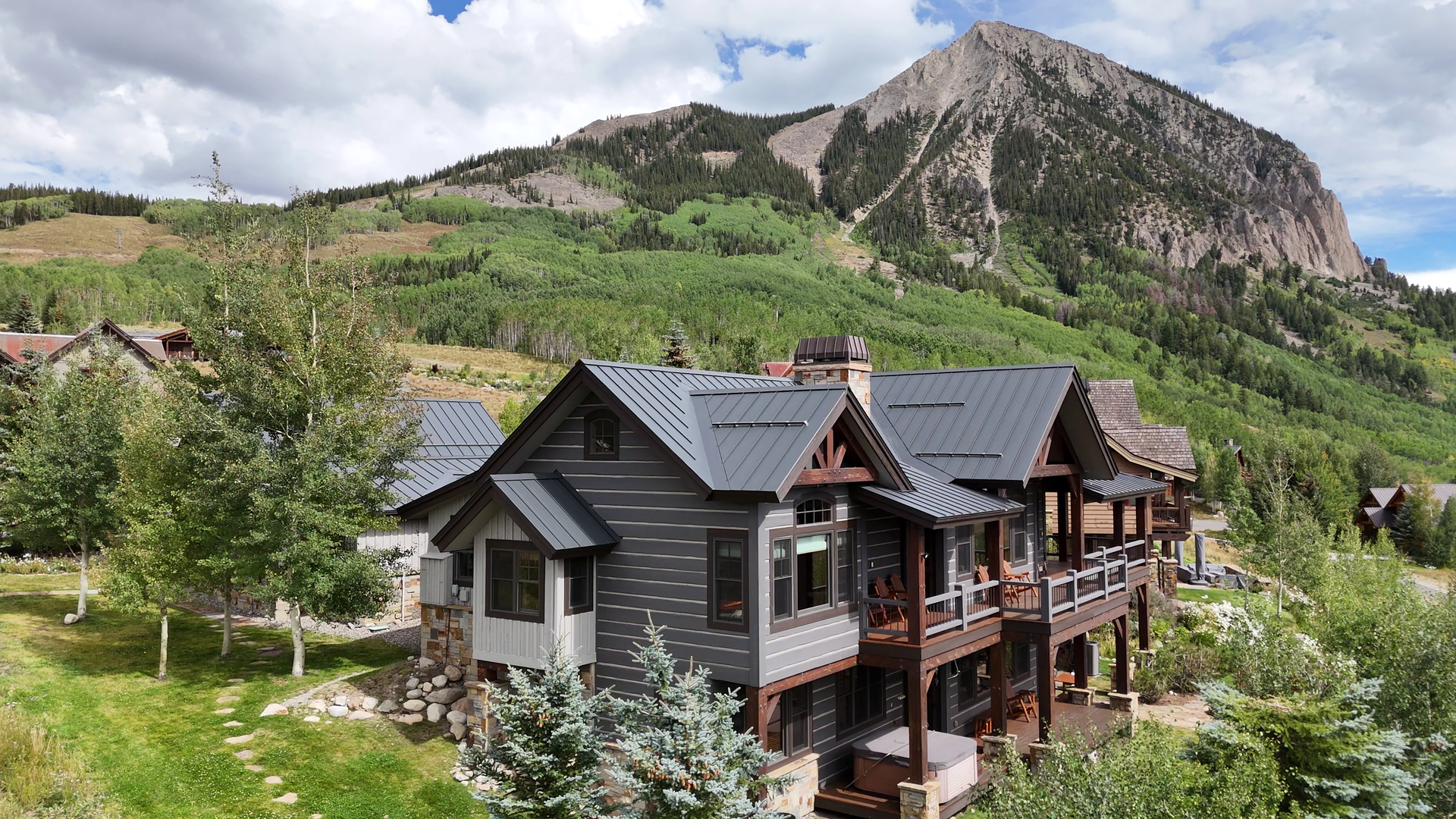
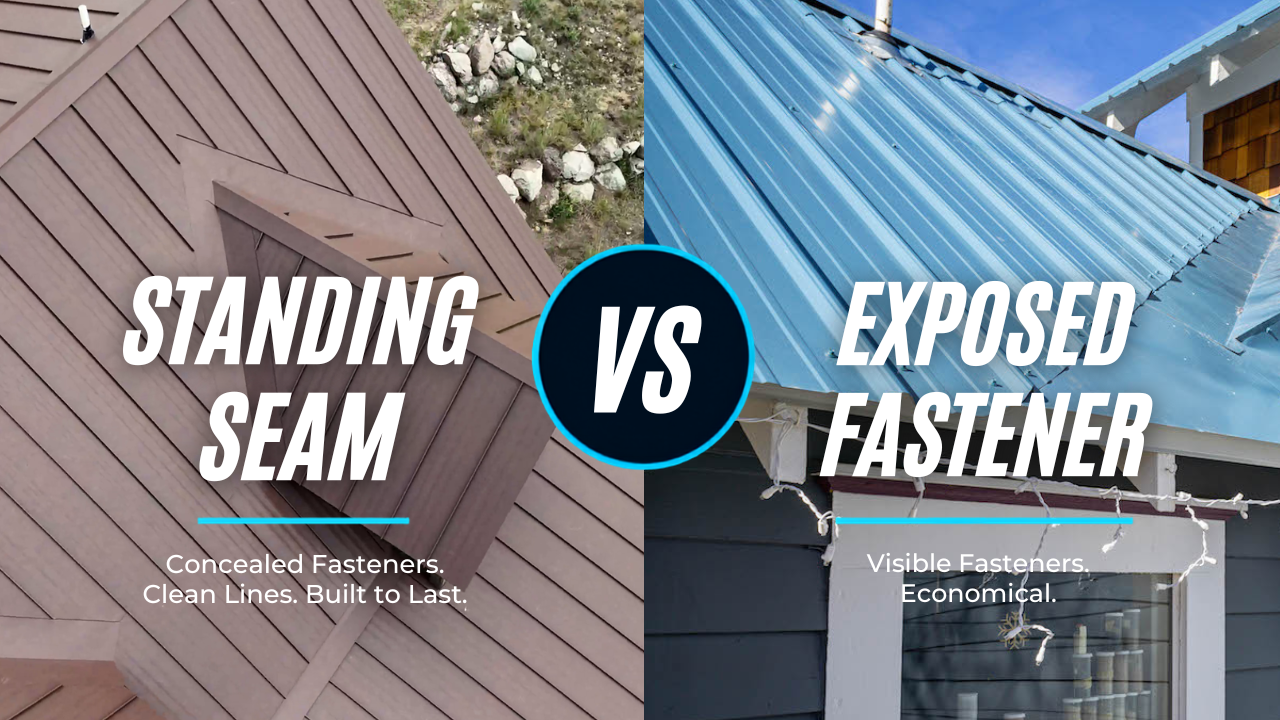
Standing seam roofing consists of steel panels joined by raised vertical seams. The fasteners are concealed beneath the seams, protecting them from weather exposure.
At Axtell, we specialize in 1-inch mechanical lock standing seam roofing, a premium system designed to withstand Colorado's heavy snow loads, high winds, intense UV exposure, and dramatic temperature swings.
Because the fasteners are hidden and secured using clips that allow panel movement, or expansion and contraction, the roof maintains a clean architectural appearance while reducing one of the most common sources of roof leaks.
What Is an Exposed Fastener Metal Roof?
An exposed fastener roof uses metal panels that are secured directly through the face of the panel with visible screws.
This system is commonly used on:
- Barns
- Agricultural buildings
- Workshops
- Garages
- Storage buildings
- Utility structures
While exposed fastener systems offer a lower initial cost, they generally require more maintenance throughout their lifespan.

The Biggest Difference: Hidden vs. Exposed Fasteners
The most important distinction between these roofing systems is how they are attached.
Standing Seam
Fasteners remain protected beneath the seams, away from rain, snow, UV exposure, and temperature fluctuations.
Benefits include:
- fewer leak points
- cleaner appearance
- longer lifespan
- reduced maintenance
Exposed Fastener
Thousands of screws remain exposed to Colorado's weather.
Over time:
- rubber washers deteriorate
- screws loosen due to restriction from movement with natural expansion
- thermal movement causes fasteners to “back out”
- water infiltration becomes more likely
These systems often require periodic screw replacement or tightening to maintain performance.
Performance During Colorado Winters
Colorado's climate places tremendous stress on roofing systems.
Snow accumulation, freeze-thaw cycles, and dramatic daily temperature swings cause roofing materials to constantly expand and contract.
Standing seam roofing is specifically engineered to accommodate this movement.
The concealed clip system allows the panels to expand and contract naturally without stressing the fasteners.
Exposed fastener systems do not offer the same flexibility, placing greater stress on screws and panel penetrations over time.
Snow Performance
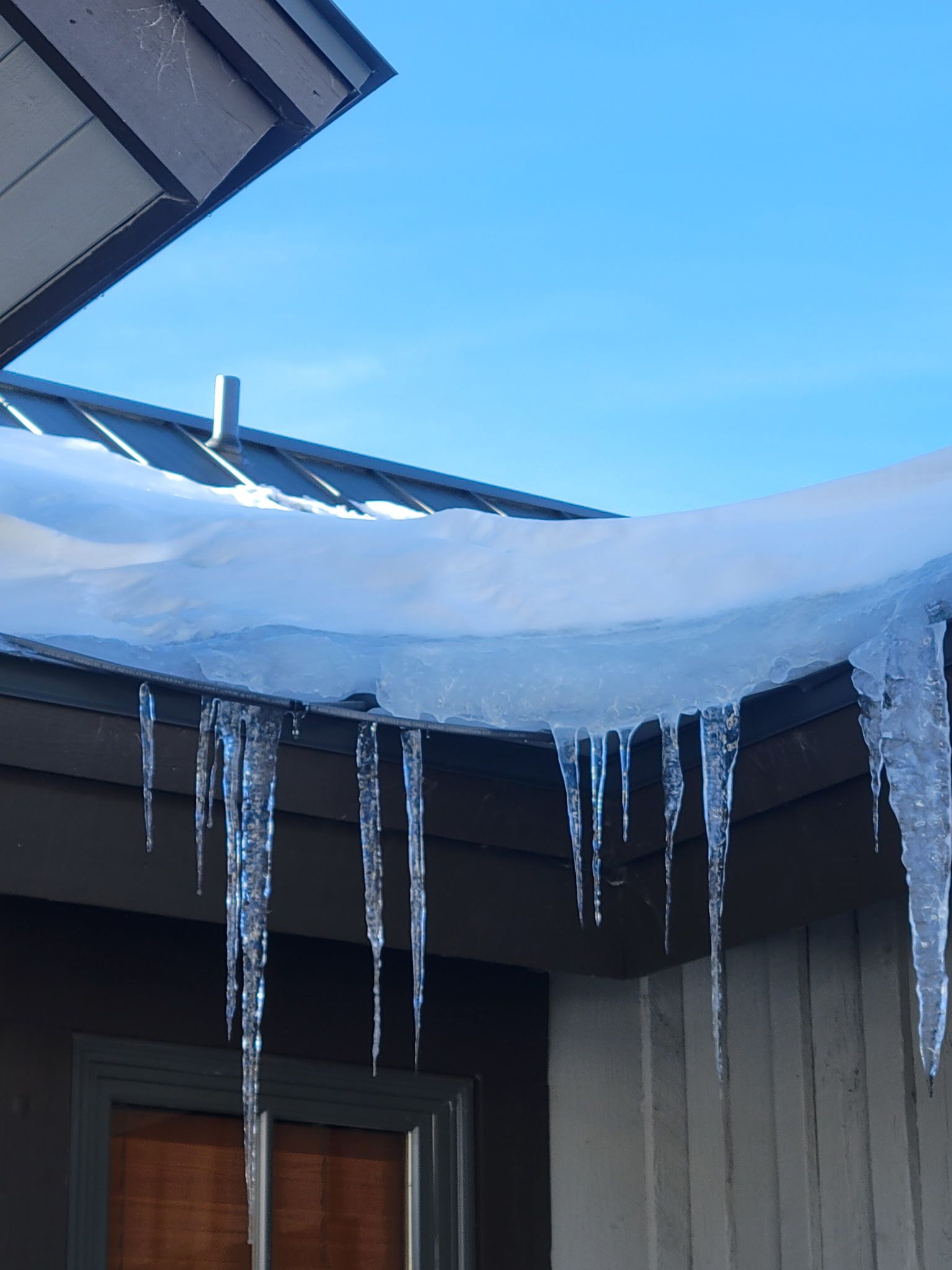
Heavy snowfall is one of the biggest reasons homeowners choose standing seam roofing.
Its smooth panel design encourages snow to slide off more efficiently than many other roofing materials.
Standing seam systems also integrate seamlessly with engineered snow retention systems, helping manage snow safely above entryways, decks, driveways, and walkways.
Leak Resistance
Every screw that penetrates a roof creates a potential entry point for moisture.
Standing seam roofing minimizes penetrations because the fasteners remain hidden beneath the seams.
Exposed fastener systems rely on thousands of gasketed screws to keep water out.
While these washers perform well initially, they gradually age under constant exposure to sunlight, moisture, and temperature fluctuations.
As they deteriorate, maintenance becomes increasingly important.
Maintenance Comparison
Standing Seam
Routine maintenance generally includes:
- annual inspections
- gutter cleaning
- debris removal
- snow retention inspection
Many standing seam roofs provide decades of service with very little maintenance.
Exposed Fastener
Maintenance often includes:
- replacing worn screws
- tightening loose fasteners yearly
- inspecting washers
- resealing penetrations
- monitoring panel movement
These additional maintenance requirements should be considered when evaluating long-term ownership costs.

Cost Comparison: Looking Beyond the Initial Investment
One of the biggest differences between standing seam and exposed fastener roofing is the upfront cost.
Standing seam roofing typically requires a higher initial investment because of its premium steel panels, concealed fastening system, precision fabrication, and specialized installation. Exposed fastener roofing is generally more affordable upfront, making it a practical choice for agricultural buildings, workshops, and other utility structures.
However, the purchase price is only part of the equation.
Over the life of your roof, it's important to consider ongoing maintenance, potential repairs, future fastener replacement, energy efficiency, and overall lifespan. While an exposed fastener system may cost less initially, long-term ownership costs can narrow the price gap as maintenance needs increase over time.
Curious What a New Roof Might Cost?
Every home is unique, and factors like roof size, pitch, material selection, and location all influence the final investment. Whether you're considering a premium standing seam metal roof or exploring other roofing options, getting an estimate is the best place to start.
Use our free Instant Roof Estimate tool to receive a personalized preliminary estimate in minutes. Then, when you're ready, our team can perform a professional roof assessment, verify measurements, discuss material options, and provide a detailed project proposal tailored to your home and budget.
Why Axtell Recommends Standing Seam Roofing for Mountain Homes
Colorado mountain homes face some of the most demanding weather conditions in the country. Heavy snow, freeze-thaw cycles, high winds, intense UV exposure, and wildfire concerns all influence how a roof performs over time.
That's why Axtell specializes in premium standing seam roofing systems that are engineered specifically for these conditions. Through our partnership with Gunnison Sheet Metal & Roll Forming, we use precision roll-formed panels manufactured locally for each project, ensuring exceptional fit, performance, and craftsmanship. Combined with our experienced installation team, homeowners receive a roofing system designed to protect their investment for decades.
Frequently Asked Questions
Is standing seam worth the extra cost?
For many homeowners, yes. The longer lifespan, lower maintenance, improved weather resistance, and premium appearance often make standing seam the better long-term investment.
Do exposed fastener roofs leak?
Not necessarily. When properly installed and maintained, exposed fastener systems perform well. However, because every fastener penetrates the panel surface, they generally require more maintenance as the roof ages.
Which system handles snow better?
Standing seam roofing performs exceptionally well in Colorado's snow country and is compatible with engineered snow retention systems.
Can exposed fastener screws be replaced?
Yes. Regular inspection and replacement of aging screws and washers is a common maintenance requirement for exposed fastener roofs.
Which roofing system is better for a home?
For most residential homes in Colorado, standing seam roofing provides superior durability, aesthetics, and long-term value, while exposed fastener systems remain a practical option for agricultural and utility buildings.