
Fire Risk to Fire Ready: Replacing Cedar Shake in Colorado Mountain Communities


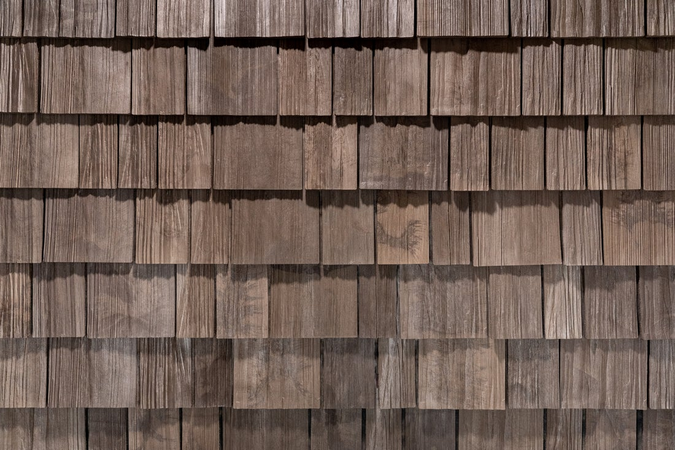
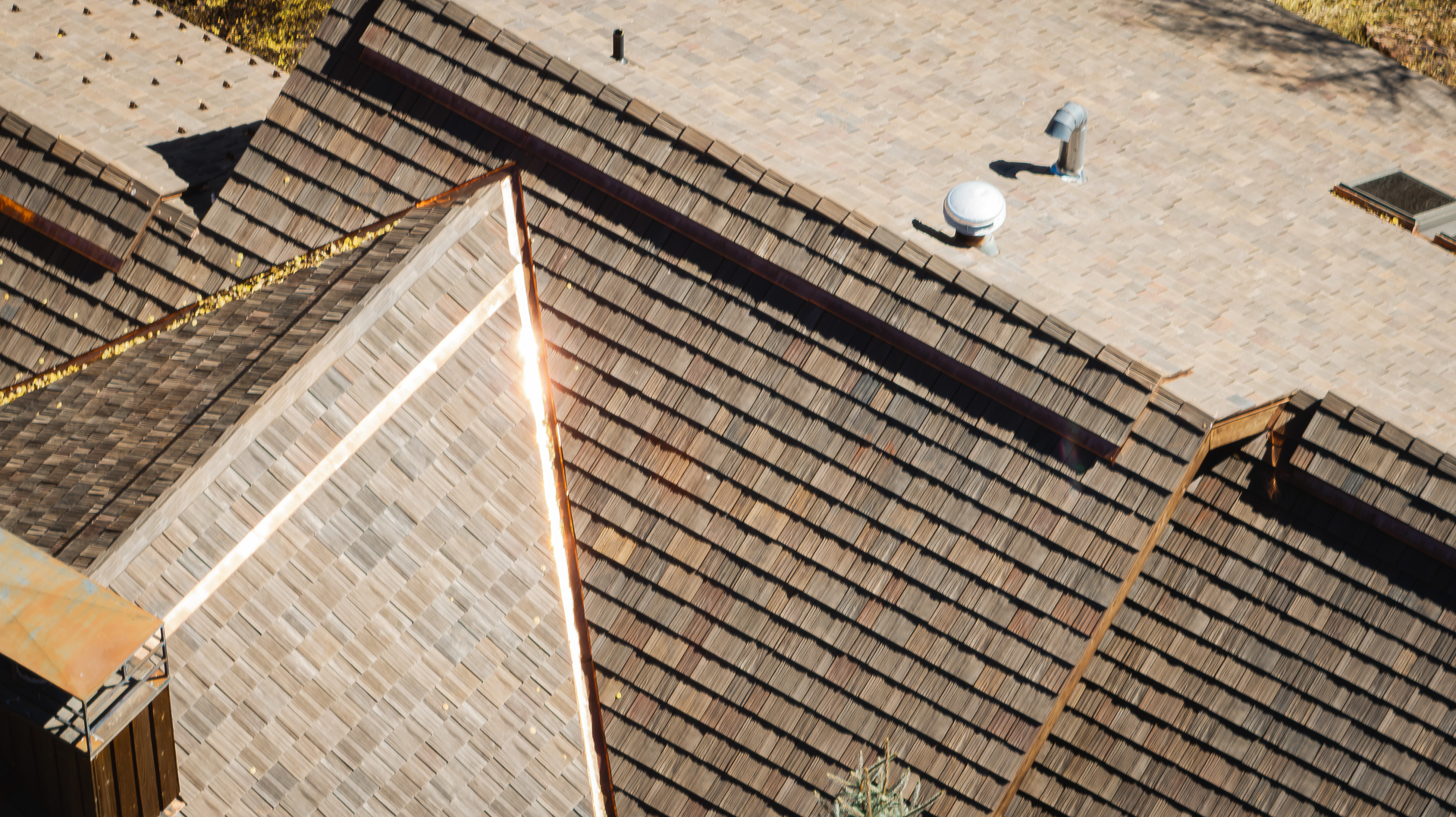
For decades, cedar shake defined the classic mountain home. Its natural texture and warmth helped cabins and alpine neighborhoods blend into the landscape. But in today’s wildfire prone environment, cedar shake roofing is replicating tinder for fire rather than a durable roof material.


Across Colorado’s high elevation communities, aging cedar shake roofs are being flagged by insurance carriers and fire mitigation guidelines. Wood roofing carries inherent fuel load. As cedar dries over time, especially at elevation where UV exposure is intense and humidity fluctuates dramatically, it becomes more vulnerable to ember ignition. In a wind driven wildfire event, embers can travel long distances and settle between shakes, creating direct ignition points on the roof. In fact, embers are the most common cause of home ignition during a wildfire event. 


Beyond fire risk, cedar shake presents long term maintenance challenges. Without consistent upkeep, shakes can curl, split, absorb moisture, and deteriorate unevenly. Snow accumulation and freeze thaw cycles accelerate that wear. Valleys and shaded sections of the roof often experience trapped moisture, leading to rot beneath the surface. What begins as cosmetic aging can evolve into structural deck damage and hidden leaks.


For homeowners navigating insurance pressure or updated fire codes, replacement is often the most responsible next step. The good news is that modern roofing systems provide fire ready performance without sacrificing architectural appeal.


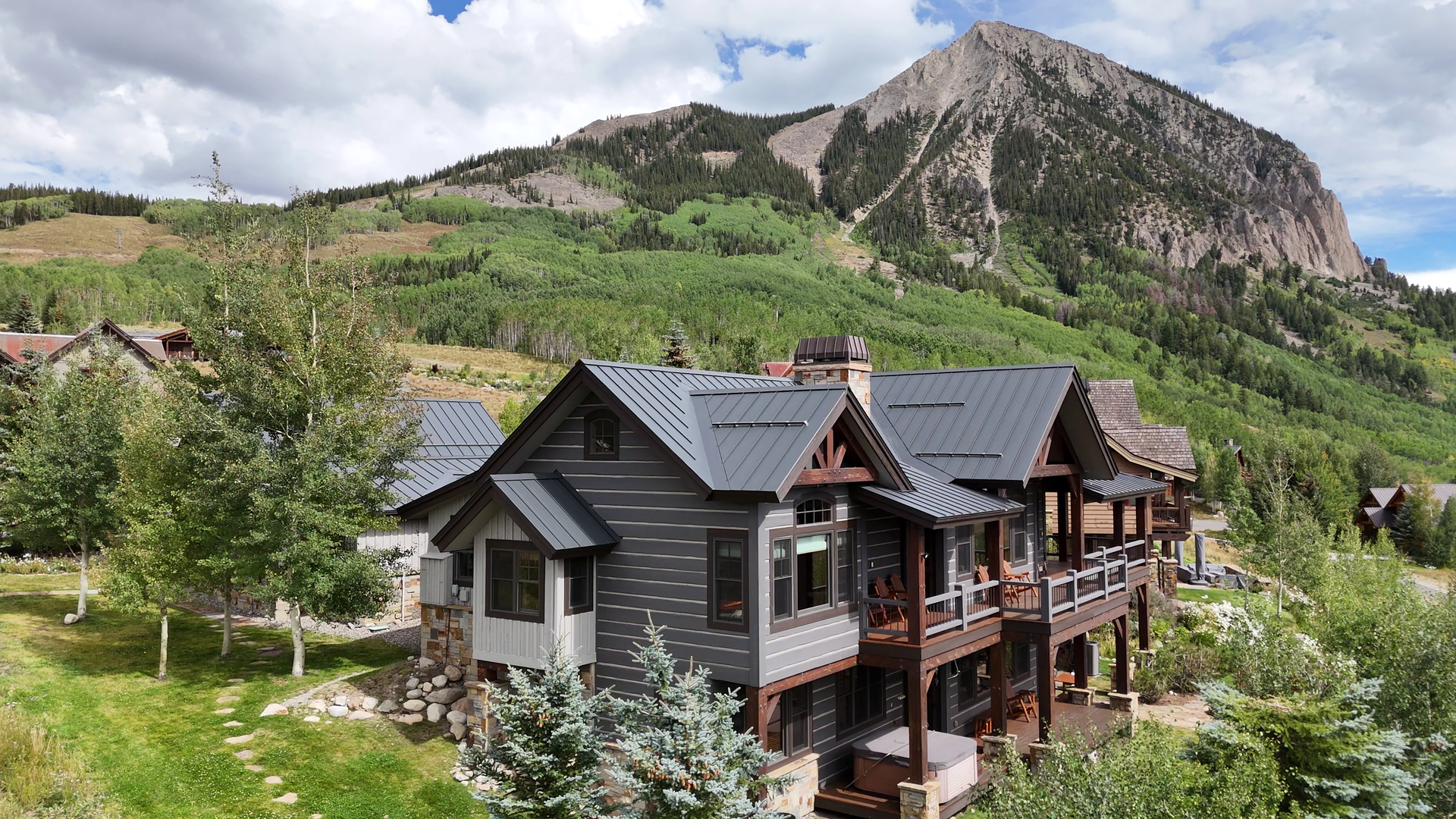
Standing seam metal roofing offers one of the most robust alternatives. When paired with fire tested underlayment assemblies, these systems achieve a Class A fire rating, the highest available classification. Metal panels resist flame spread, shed snow efficiently, and handle freeze thaw movement without the fastener failures common in exposed systems. With lifespans that can extend 40 to 70 years, properly installed standing seam roofs reduce long term replacement cycles and maintenance costs.


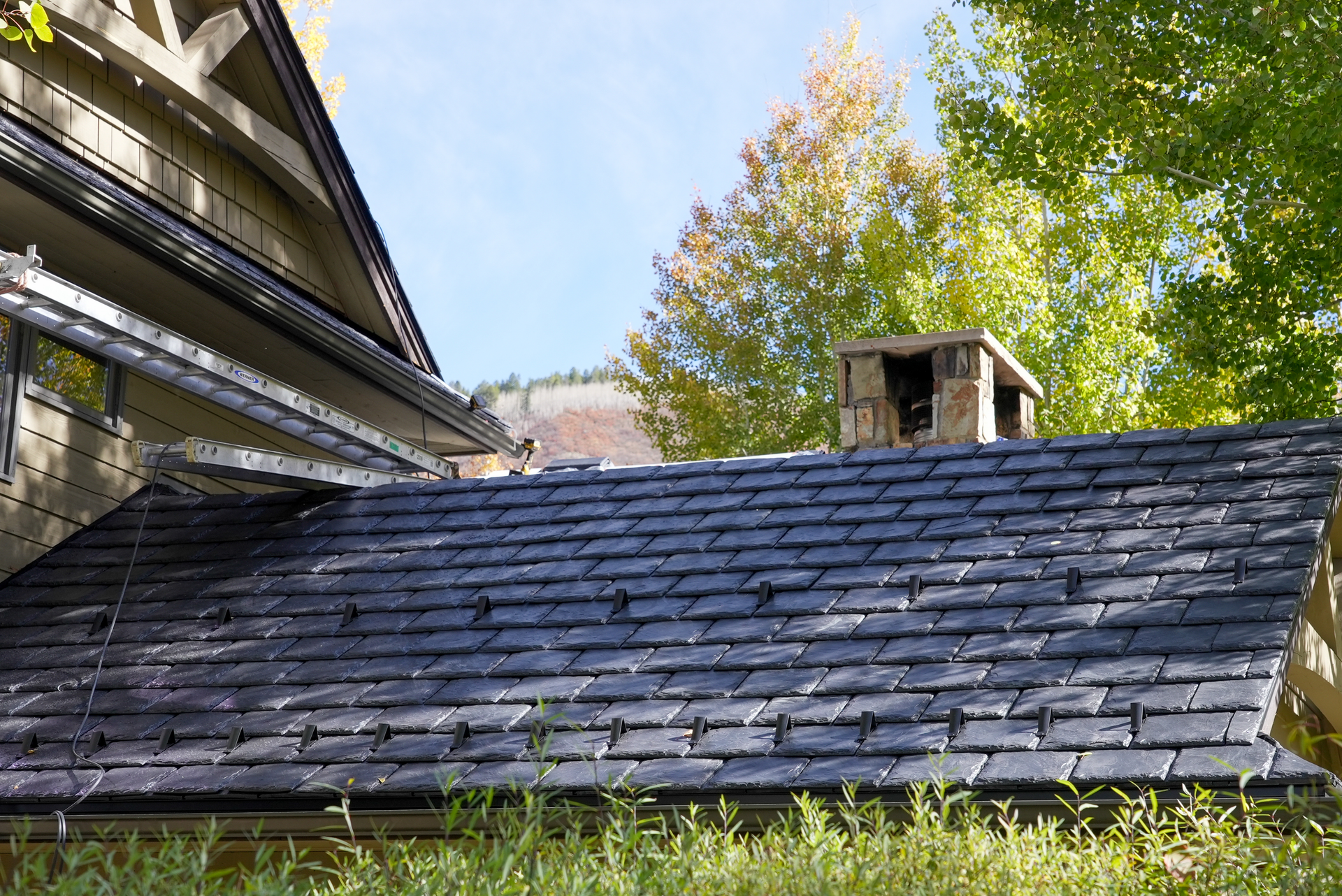
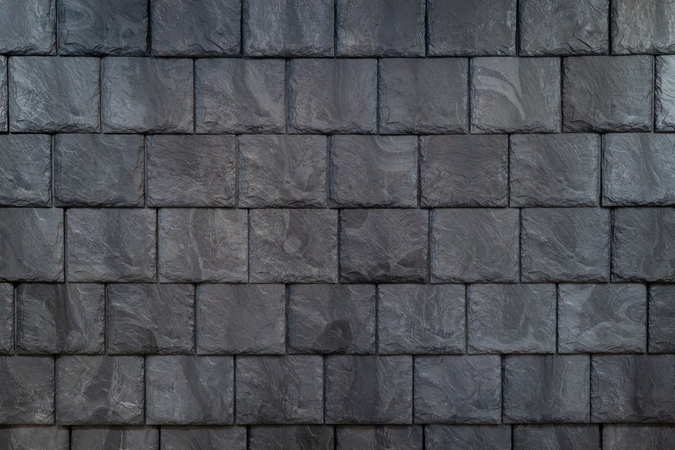
For homeowners who love the cedar aesthetic but want modern fire protection, Brava composite shake offers another strong solution. Axtell Mtn Construction is a Brava Preferred Installer, meaning our team is trained and experienced in properly installing Brava’s engineered polymer roofing systems. Brava shake products replicate the texture and dimension of natural cedar while delivering Class A fire rated performance, Class 4 impact resistance, superior resistance to moisture absorption and even strength against 200mph winds. Brava composite shake does not split, rot, or dry out over time, unlike natural shake or even some composite competitor products.

In mountain communities where HOA approval and architectural consistency matter, Brava provides a way to preserve design intent while significantly improving durability and safety. It bridges the gap between tradition and performance.


At Axtell Mtn Construction, cedar shake replacement is approached as a full system upgrade, not just a material swap. We evaluate ventilation, snow retention strategy, flashing transitions, and drainage paths to ensure the new roof performs as an integrated assembly. Fire resilience is strengthened. Snow movement is controlled. Water infiltration risk is minimized.


Wildfire risk is no longer a seasonal concern. It is a structural consideration that influences insurance, property value, and long term maintenance planning. Whether you are evaluating standing seam metal or Brava composite shake, upgrading from cedar is an investment in protection and peace of mind.


If your cedar shake roof is aging or your insurance provider has raised concerns, now is the time to explore fire ready alternatives built for Colorado mountain conditions.


Recent Posts

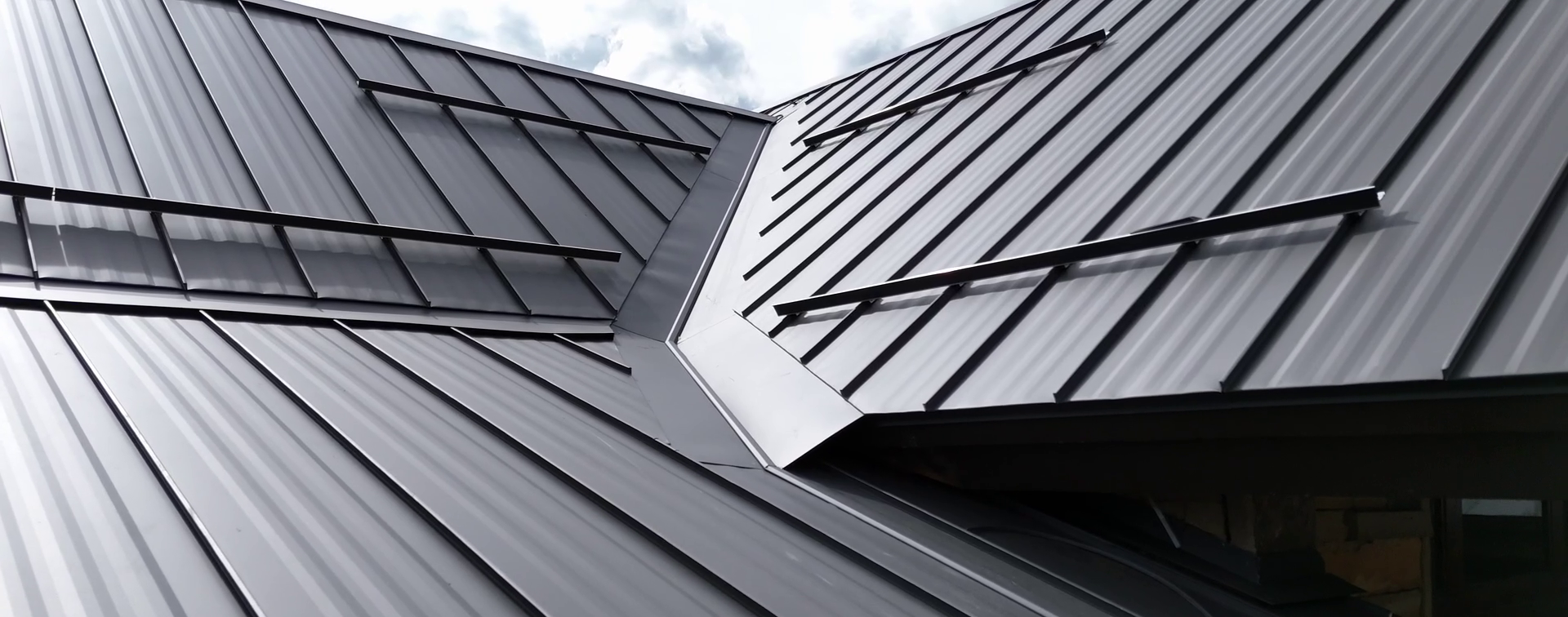
Snow Guards on a Metal Roof
By Axtell Marketing • September 28, 2026
Prepare for Colorado’s 2026-27 El Niño winter. Learn when metal roofs need snow guards and how snow retention protects people and property.
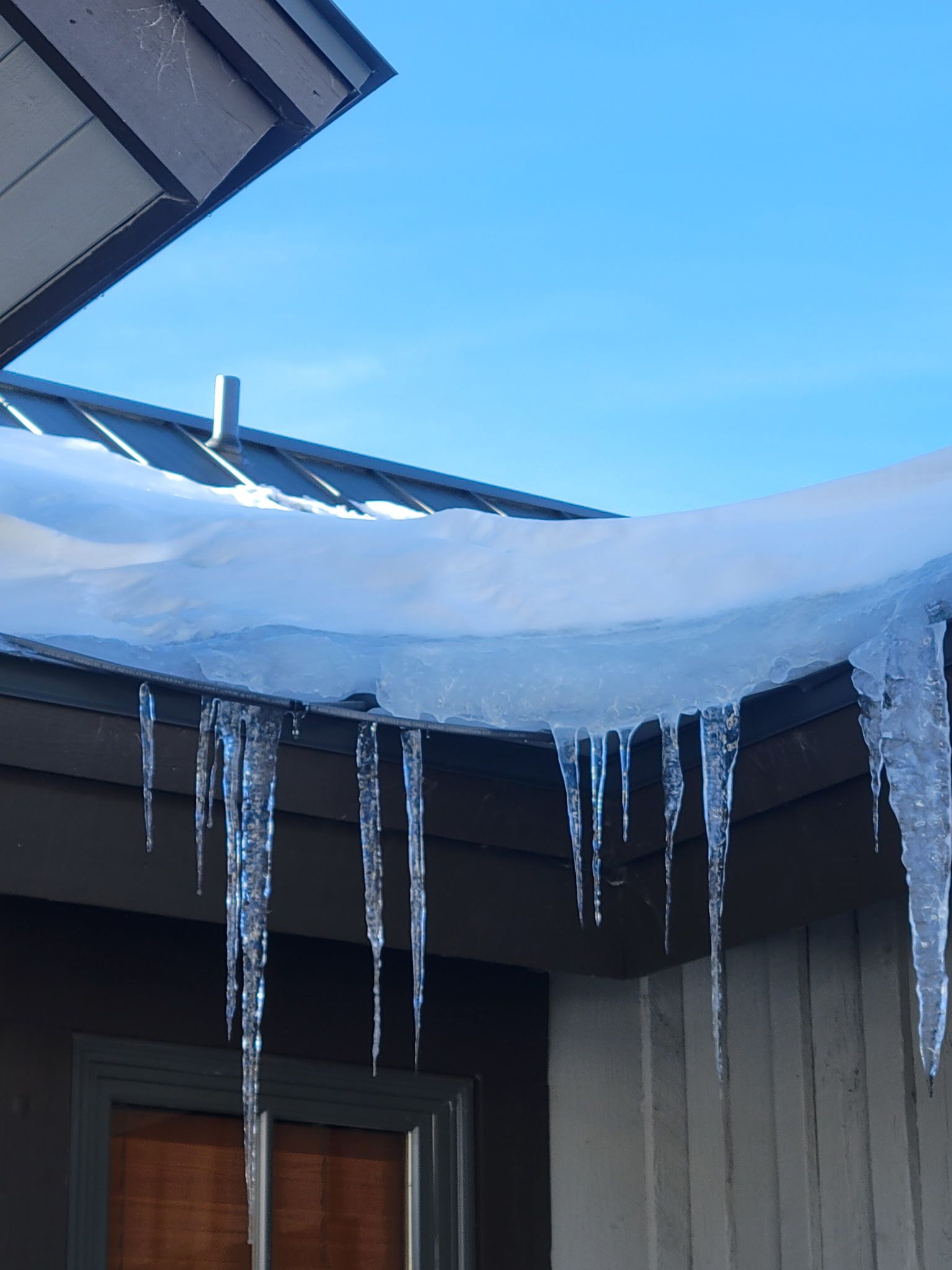
Ice Dams on Colorado Roofs
By Axtell Marketing • September 21, 2026
Learn what causes ice dams on Colorado roofs, warning signs to watch for, and how to prepare your roof for the 2026-27 El Niño winter.
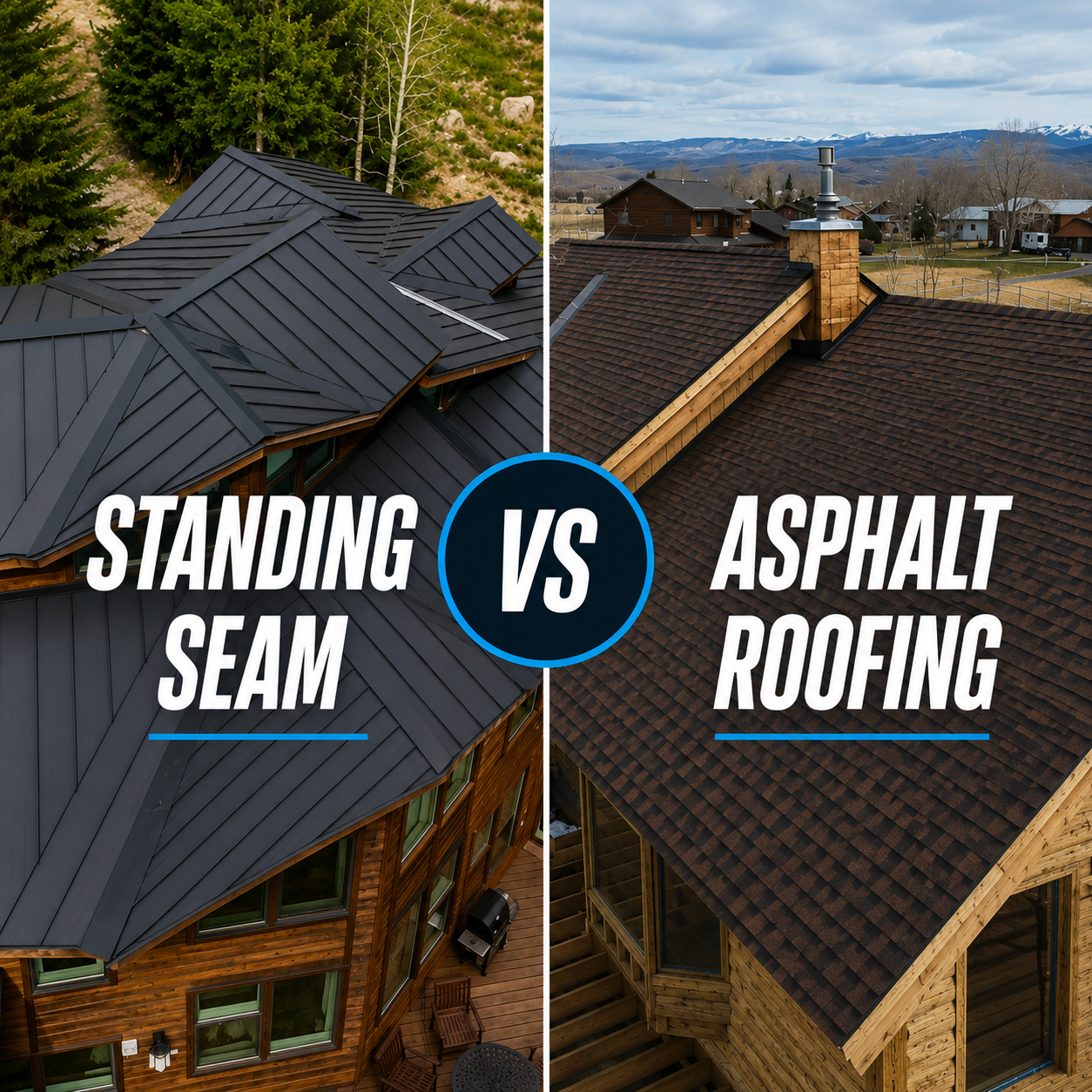
Metal Roof vs Asphalt Shingles Colorado
By Axtell Marketing • September 2, 2026
Compare metal roofs and asphalt shingles for Colorado homes. Learn costs, lifespan, snow performance, wildfire resistance, maintenance, and more.
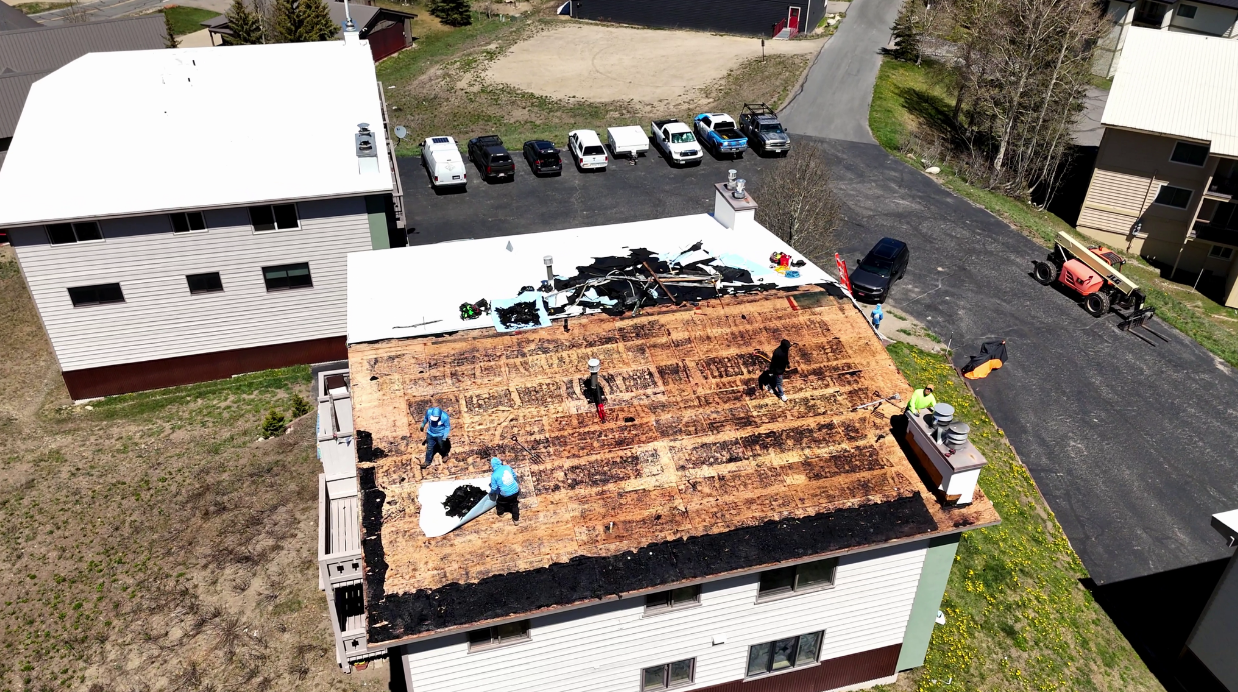
Ski Jump Roof Replacement , MT Crested Butte
By Axtell Marketing • August 24, 2026
Learn how Axtell Mtn Construction replaced aging flat roofs on Mount Crested Butte with a Class A fire-rated TPO roofing system built for mountain conditions.
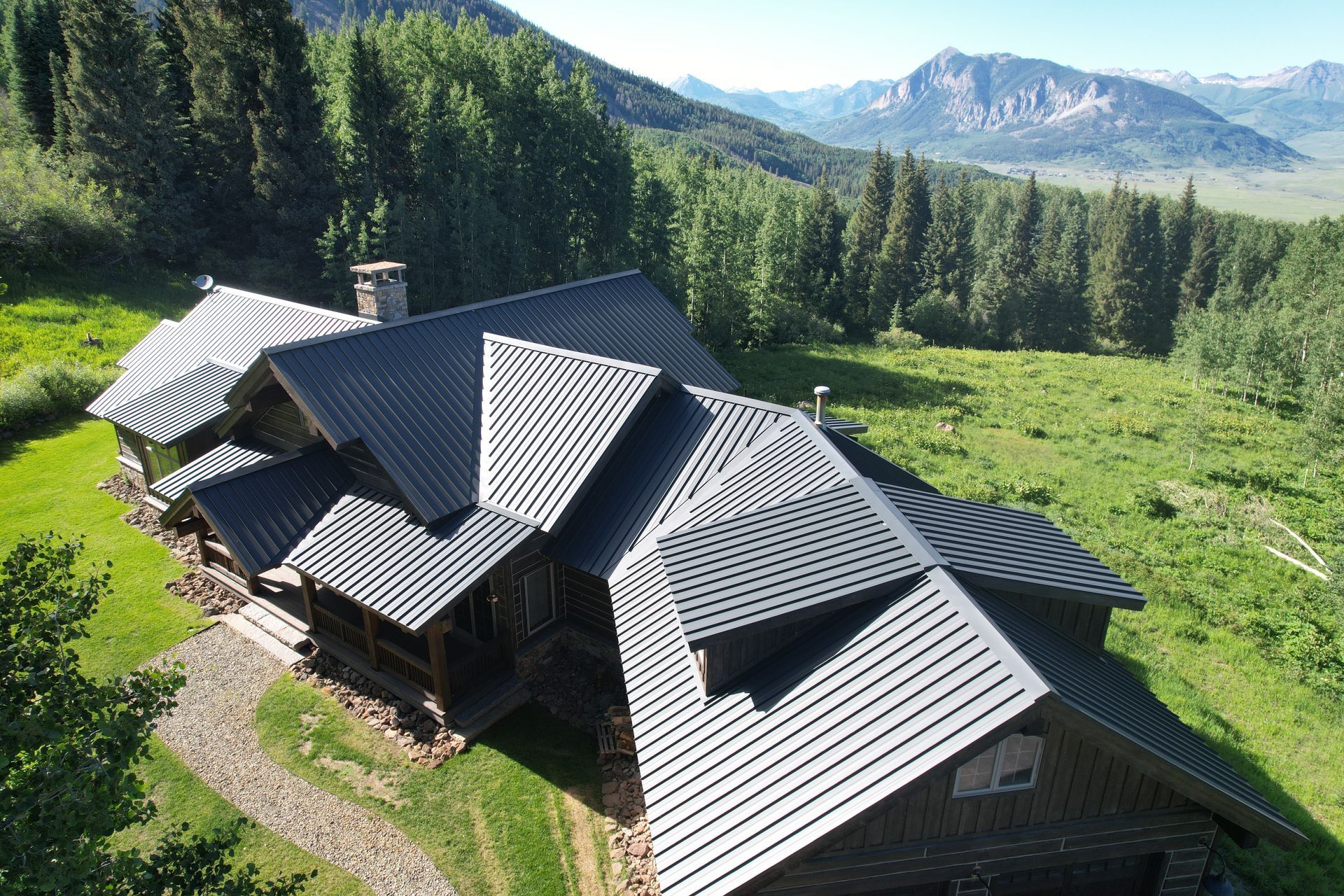
Roof Replacement Cost Colorado
By Axtell Marketing • August 18, 2026
Learn what affects roof replacement costs in Colorado, compare roofing materials, and get a free instant roof estimate for your home in minutes.
Standing Seam vs. Exposed Fastener Metal Roofing | Which Is Best?
By Axtell Marketing • August 10, 2026
Compare standing seam and exposed fastener metal roofing systems. Learn the differences in durability, cost, maintenance, lifespan, and performance.
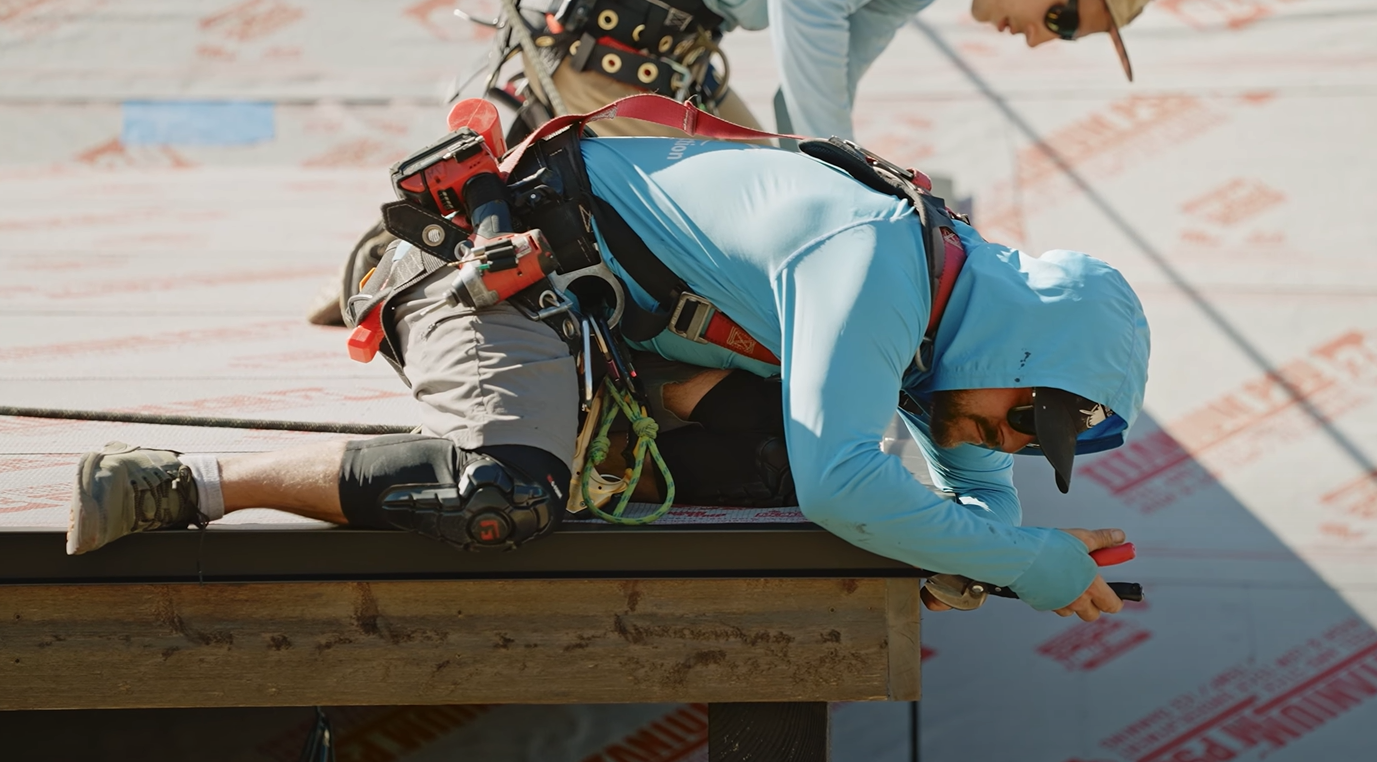
Axtell Mtn Construction Roof Repair
By Axtell Marketing • July 17, 2026
Discover the key signs of roof damage and learn when a repair is enough or when investing in a full roof replacement is the better choice.
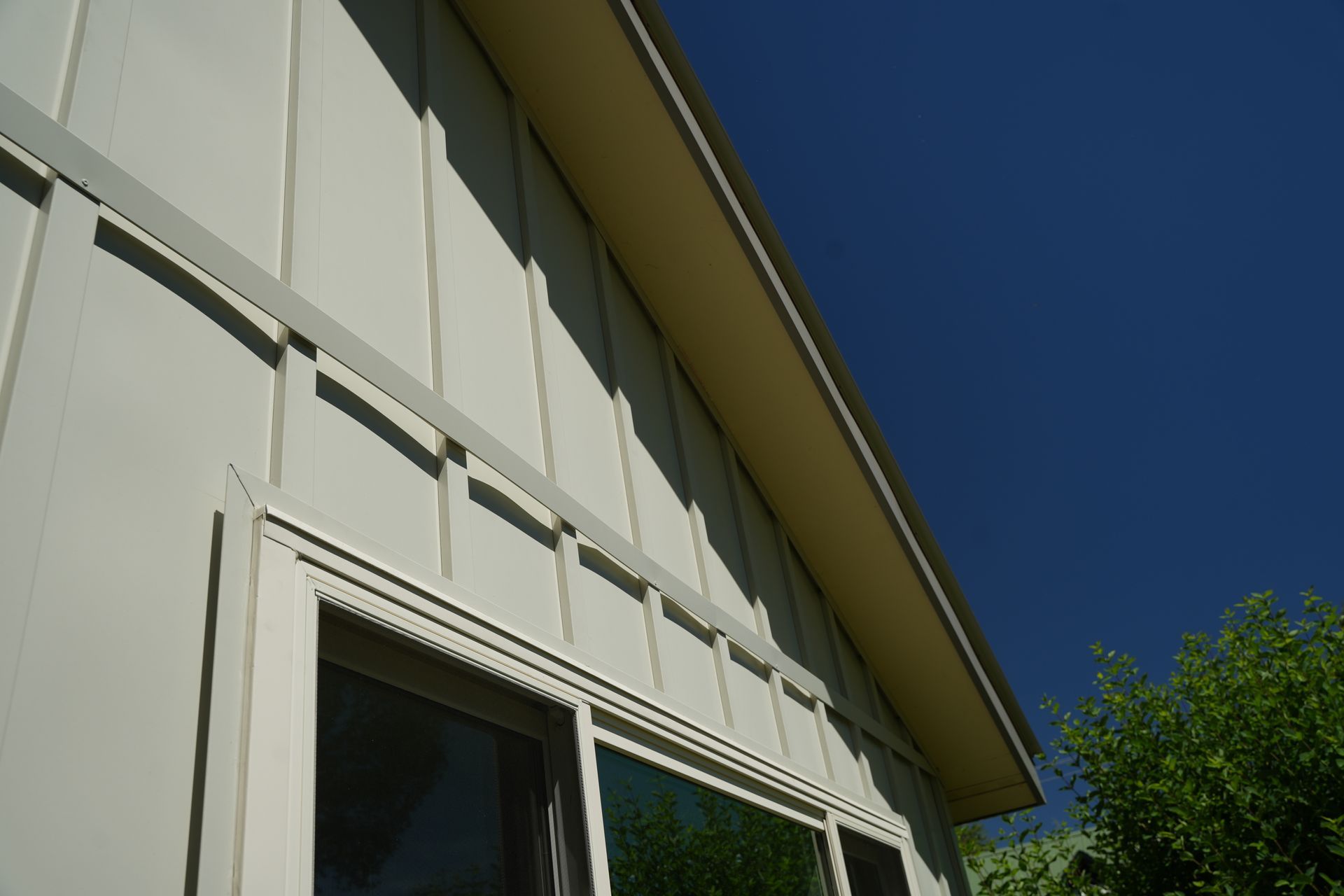
 Fire-Resistant Board & Batten Siding in Gunnison
By Axtell Marketing • July 10, 2026
See how Axtell Mtn Construction completed a Board & Batten steel siding project in Gunnison in under four weeks using CMG steel backed by a 40-year paint warranty.
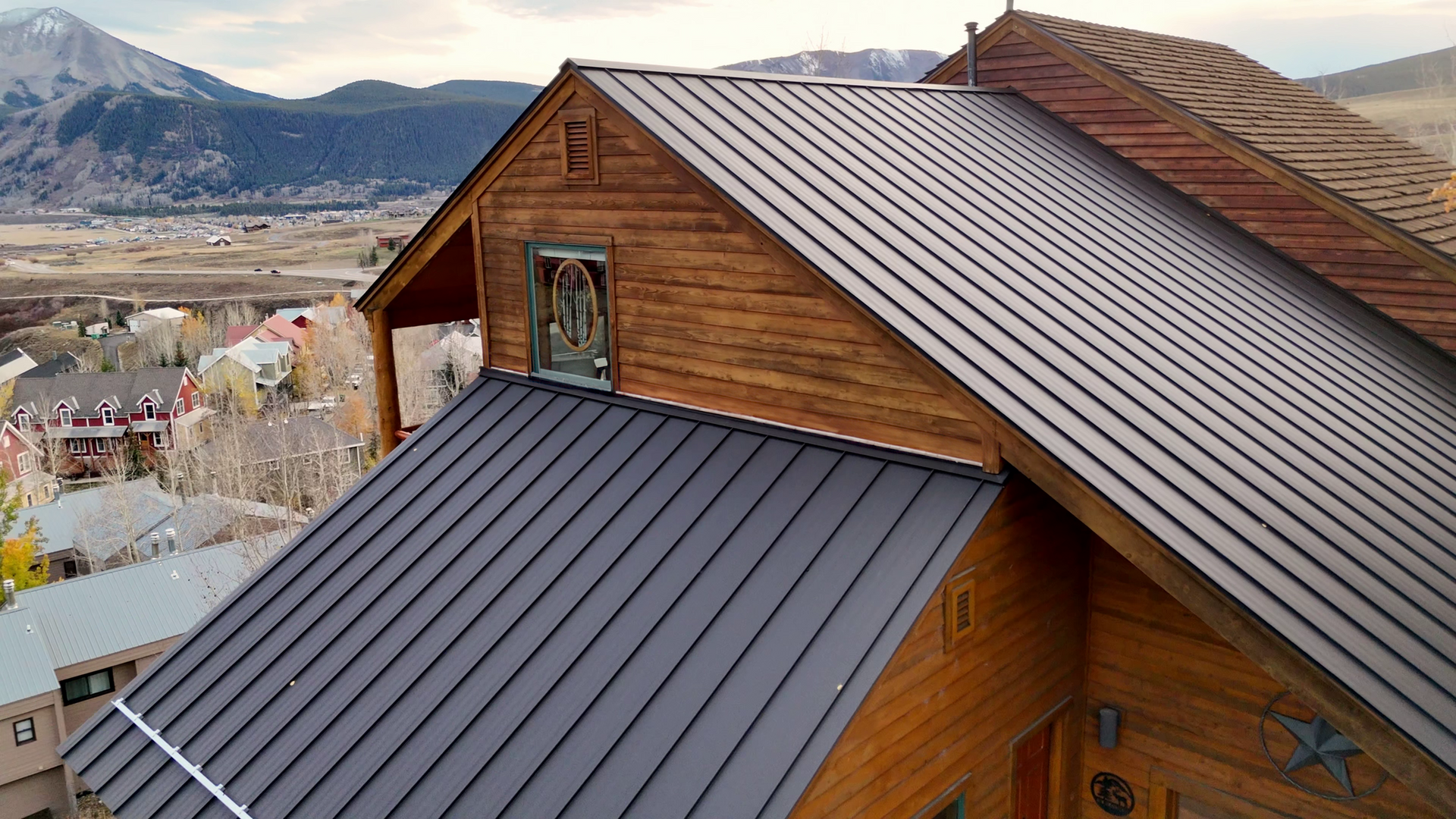
Roofing for Colorado Mountain Communities
By Axtell Marketing • May 15, 2026
Metal roofing, synthetic shake and shingle systems designed for Colorado mountain homes and high elevation conditions.
January 15, 2026
See how Axtell Mtn Construction replaced aging cedar shake with a standing seam metal roof engineered for snow load, ice control and fire risk.
Show More